Introduction
When it comes to creating a comfortable indoor environment, air conditioning units play a crucial role. Whether you’re looking to install a new AC system, maintain your existing unit, or repair any issues that arise, having the right knowledge is essential. In this comprehensive guide, we will cover everything you need to know about air conditioning units and provide valuable insights into installation, maintenance, and repair.
Section 1: Installation
Choosing the Right Air Conditioning Unit
Before diving into the installation process, it’s important to select the right air conditioning unit for your needs. Consider factors such as room size, energy efficiency ratings, and budget. Consulting with a professional HVAC technician can help you make an informed decision.
Preparing for Installation
Once you have chosen the ideal AC unit, proper preparation is key. Clearing the installation area, ensuring proper electrical connections are in place, and understanding local regulations are all crucial steps before starting the installation process.
Installing Your Air Conditioning Unit
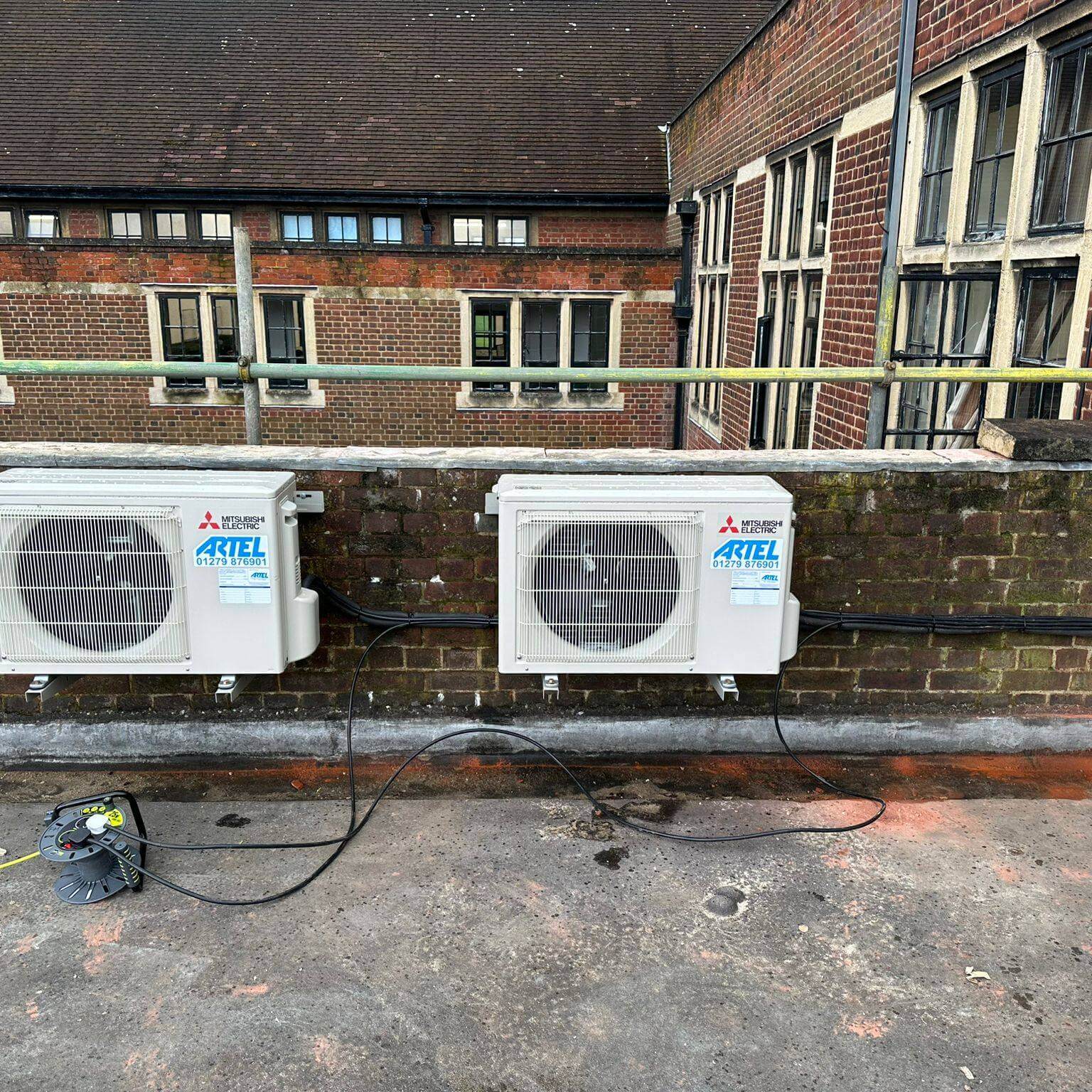
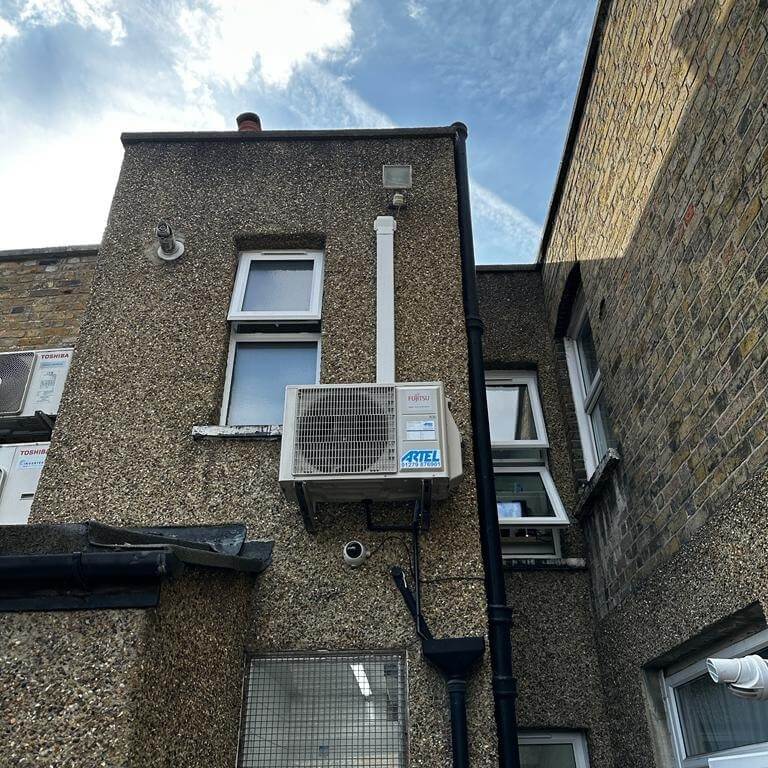
Installing an air conditioning unit may seem daunting at first, but with the right guidance, it can be a smooth process. We will guide you through the necessary steps, from mounting the unit correctly to connecting refrigerant lines and electrical components.
Section 2: Maintenance
Importance of Regular Maintenance
Regular maintenance is vital to ensure optimal performance and longevity of your air conditioning unit. Neglecting maintenance can lead to reduced efficiency, increased energy consumption, and potential breakdowns. We will explain why maintenance is essential and how it benefits both your comfort and your wallet.
DIY Maintenance Tips
While professional maintenance is recommended at least once a year, there are several tasks you can perform yourself to keep your AC unit in top shape. From cleaning or replacing filters to inspecting coils and condensate drains, we will provide step-by-step instructions for the most common maintenance tasks.
Scheduling Professional Maintenance
In addition to DIY maintenance, it’s crucial to schedule professional maintenance by a certified HVAC technician. They have the expertise and tools to perform in-depth inspections, identify potential issues, and optimize your air conditioning unit’s performance. We will discuss the recommended frequency of professional maintenance visits and how to find a reputable technician.
Section 3: Repair
Common Air Conditioning Issues
Even with regular maintenance, air conditioning units can encounter problems over time. We will highlight some of the most common issues you may face, such as refrigerant leaks, frozen coils, faulty thermostats, and compressor failures. Understanding these problems will help you identify them early and seek timely repairs.
Troubleshooting Tips
While some AC issues require professional intervention, there are troubleshooting steps you can take before calling a technician. We will provide a list of troubleshooting tips for common problems, helping you determine when it’s appropriate to attempt a DIY fix and when professional assistance is necessary.
Hiring a Professional Repair Service
When your air conditioning unit requires professional repair, it’s essential to choose a reliable and experienced service provider. We will guide you through the process of finding reputable repair services, evaluating their qualifications, and ensuring they offer fair pricing.
Conclusion
Air conditioning units are indispensable for maintaining comfort in our homes and workplaces. By understanding the installation process, performing regular maintenance, and knowing how to address repairs, you can ensure your AC unit operates efficiently for years to come. Remember that while this guide provides valuable information, it is always recommended to consult with professionals for any complex installations or repairs. Stay cool!
Disclaimer: The information provided in this blog post is for informational purposes only. Always consult with a qualified HVAC professional for specific advice tailored to your situation.