In today's fast-paced business environment, gaining insights into the importance of reliable maintenance services in the UK market is crucial for organizations aiming to thrive. Did you know that companies that invest in proactive maintenance strategies can reduce their operational costs by up to 30%? As maintenance services evolve, their role in ensuring the safety, efficiency, and longevity of equipment and facilities has become more significant than ever. With the rise of new technologies and shifting market demands, businesses must understand the critical elements that contribute to effective maintenance management. This blog post delves into key aspects of reliable maintenance services, highlighting their benefits and providing actionable strategies to help organizations stay competitive.
Understanding Reliable Maintenance Services
Reliable maintenance services play a critical role in ensuring the safety and efficiency of various industries across the UK. These services are designed to extend the lifespan of equipment and facilities, mitigate risks, and enhance overall operational performance.
Definition and Scope of Maintenance Services
Maintenance services encompass a broad range of activities aimed at keeping physical assets in optimal condition. This includes routine inspections, repairs, and upgrades of equipment. Key areas of focus often involve:
-
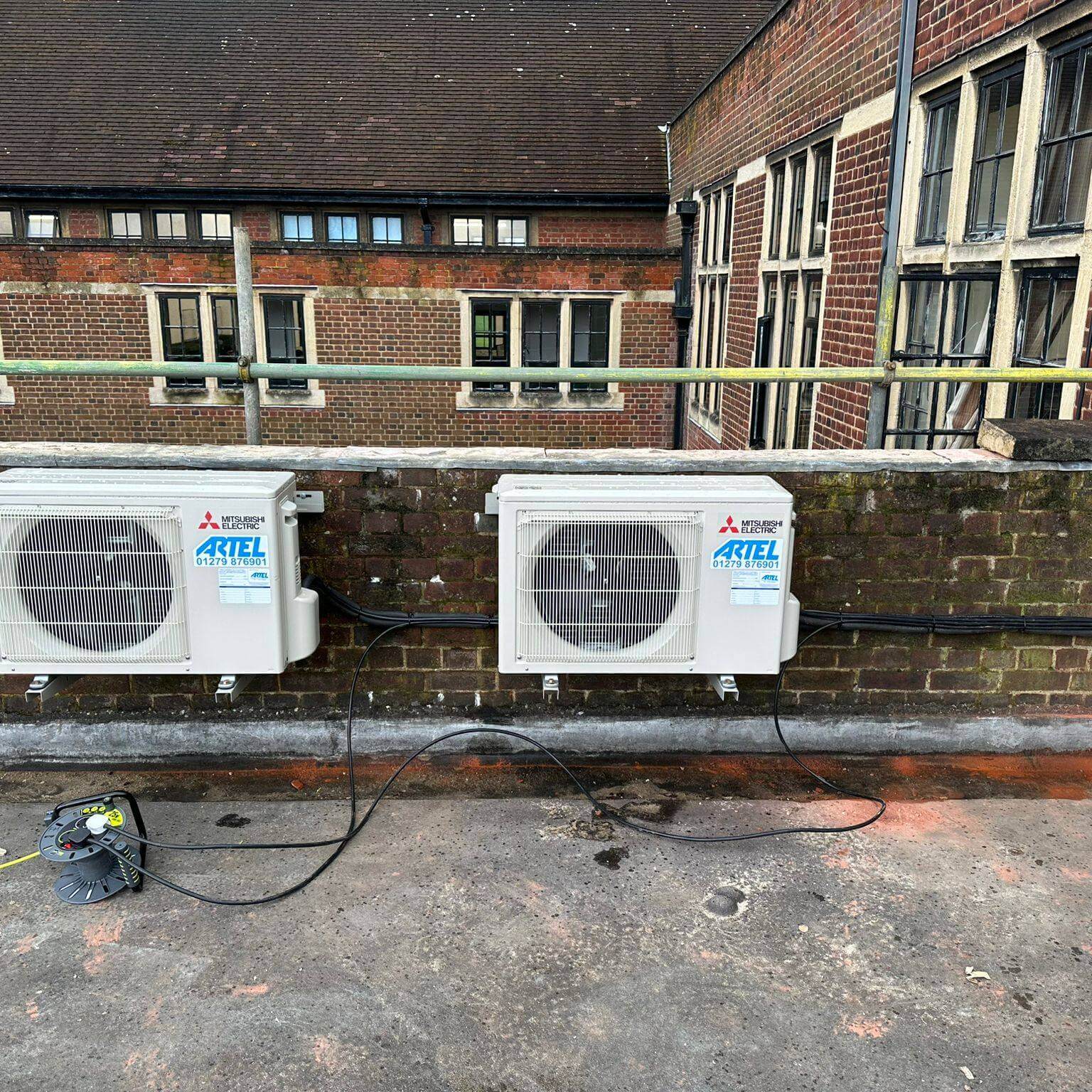
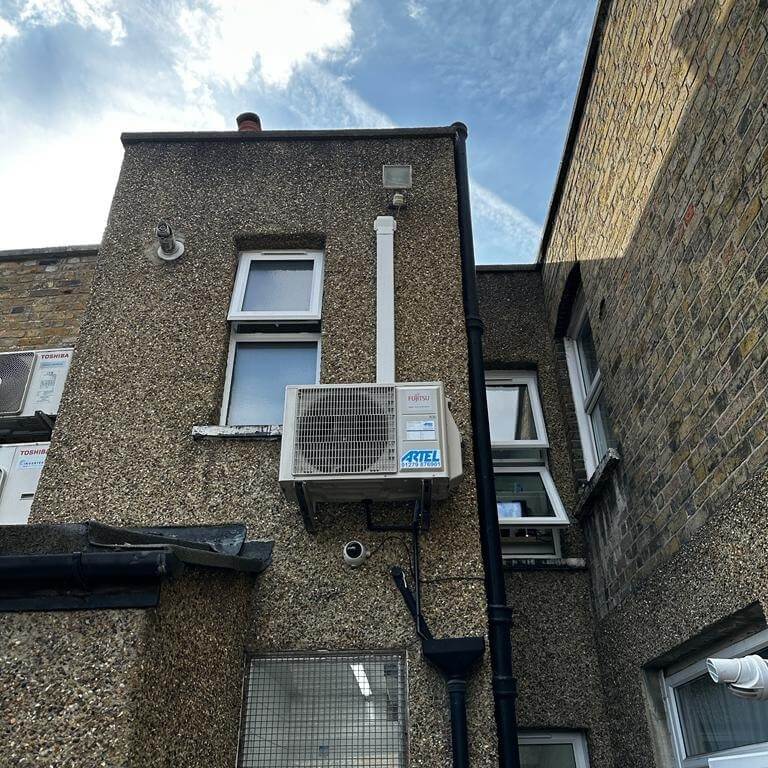
HVAC systems
-
Refrigeration units
-
Safety equipment
-
Facilities management
Key Components of Reliable Maintenance
To achieve reliability in maintenance services, several components must be prioritized:
-
Skilled workforce: Employing qualified technicians with ongoing training.
-
Proactive strategies: Implementing regular check-ups to prevent unexpected failures.
-
Use of technology: Incorporating advanced diagnostic tools and software for better service management.
The UK Market for Maintenance Services
The maintenance services sector in the UK has shown significant growth over recent years. Driven by advancements in technology, stricter regulatory frameworks, and rising competition, businesses are increasingly recognizing the value of reliable maintenance.
Overview of the Maintenance Sector in the UK
The UK maintenance market has expanded, encompassing various sectors such as:
-
Construction
-
Manufacturing
-
Healthcare
-
Retail
Growth Trends and Opportunities
In the current landscape, companies that prioritize reliable maintenance services gain a competitive edge. Key growth trends include:
-
Increased investment in automated maintenance solutions.
-
A focus on energy efficiency through sustainable practices.
-
Demand for specialized services tailored to unique industry needs.
Importance of Reliable Maintenance Services
Reliable maintenance services are essential for various reasons:
Enhancing Safety and Compliance
Ensuring that equipment meets safety standards is crucial. Regular maintenance helps to identify potential hazards, reducing accidents and ensuring compliance with legal regulations.
Minimizing Downtime and Disruptions
Downtime can lead to significant financial losses. Reliable maintenance services help businesses minimize disruptions by addressing issues before they escalate.
Maximizing Equipment Lifespan
Regular upkeep extends the life of equipment, resulting in significant cost savings over time. This is particularly vital in capital-intensive industries.
In conclusion, understanding the insights into the importance of reliable maintenance services in the UK market not only highlights the necessity of these services but also showcases their role in enhancing safety, ensuring compliance, and optimizing operational efficiency. For further reading on maintenance solutions, consider exploring resources from industry leaders like Balfour Beatty.
Factors Contributing to Reliability
When assessing maintenance services, several factors determine their reliability. Understanding these factors is crucial for businesses looking to enhance their operational effectiveness.
Skilled Workforce and Training
A highly trained workforce is the backbone of reliable maintenance services. Skills development through continuous education ensures that technicians can effectively handle modern challenges.
-
Ongoing training programs
-
Industry certifications
-
Familiarity with the latest technologies
Use of Technology and Tools
Innovative technologies significantly improve the reliability of maintenance services. The integration of smart tools allows for:
-
Predictive maintenance that anticipates failures
-
Real-time monitoring of equipment conditions
-
Enhanced data analytics to inform decision-making
Proactive vs. Reactive Maintenance Strategies
Adopting a proactive approach rather than a reactive one has proven to be more beneficial. Strategies like planned maintenance can lead to:
-
Fewer equipment failures
-
Lower overall maintenance costs
-
Improved safety outcomes
Challenges in Maintaining Reliability
Despite the advantages, many organizations encounter challenges in achieving reliability in maintenance services. Identifying these hurdles is essential for creating effective strategies.
Common Issues Faced by Businesses
Some of the prevalent challenges include:
-
Limited budget for maintenance activities
-
Insufficient training for staff
-
Unexpected equipment failures
Impact of Poor Maintenance on Operations
Ineffective maintenance can lead to dire consequences, such as:
-
Increased downtime and operational delays
-
Higher repair costs due to neglect
-
Potential safety hazards that threaten personnel
In closing, these insights into the importance of reliable maintenance services in the UK market underscore the necessity for businesses to invest in skilled personnel, advanced technology, and proactive strategies to ensure their operations are both efficient and safe. Companies like Seddon provide comprehensive maintenance solutions that can help organizations navigate these challenges effectively.
The Role of Project Management in Maintenance
Effective project management plays a pivotal role in ensuring that maintenance services are both reliable and efficient. By aligning maintenance activities with broader business objectives, organizations can better navigate the complexities of maintaining various assets.
Streamlining Maintenance Processes
Adopting comprehensive project management strategies helps streamline maintenance workflows. This includes:
-
Creating detailed maintenance schedules
-
Assigning responsibilities to qualified personnel
-
Utilizing tracking systems for ongoing tasks and updates
Importance of Scheduling and Planning
Proper scheduling is vital to maintaining reliability in service delivery. This can be achieved through:
-
Preventive maintenance plans that anticipate scheduling conflicts
-
Coordination of resources to avoid overlaps in operational duties
-
Integration of maintenance schedules with production timelines to minimize disruptions
Enhancing Communication Across Teams
Effective communication among various teams enhances the reliability of maintenance services. Key aspects include:
-
Regular briefings on planned maintenance activities
-
Open channels for feedback during maintenance operations
-
Collaboration tools that keep all stakeholders informed
In conclusion, strategic project management is essential to understanding the insights into the importance of reliable maintenance services in the UK market. By streamlining processes and enhancing communication, companies can ensure their maintenance efforts are effective and aligned with their operational goals. For those seeking established expertise, organizations like Amey offer targeted project management services tailored to the maintenance sector.
Choosing the Right Maintenance Service Provider
Selecting a reliable maintenance service provider is crucial for businesses aiming to optimize their operations. With the right partner, companies can ensure that their assets are maintained effectively, leading to improved performance and safety.
Key Qualities to Look For
When evaluating potential maintenance service providers, consider the following key qualities:
-
Experience and Expertise: Look for providers with a proven track record in your specific industry.
-
Certifications and Accreditations: Ensure they possess necessary industry certifications that demonstrate compliance with safety and quality standards.
-
Comprehensive Service Offering: A good provider should offer a variety of services, including emergency repairs, regular maintenance, and project management.
Questions to Ask Potential Providers
To gain deeper insights into the capability of a maintenance service provider, ask these essential questions:
-
What is your approach to preventive maintenance?
-
How do you handle unexpected repairs or emergencies?
-
Can you provide references or case studies from previous clients?
Understanding the importance of selecting the right partner is essential for gaining insights into the importance of reliable maintenance services in the UK market. A knowledgeable and experienced service provider can significantly reduce operational risks and improve asset longevity. For more information on expert maintenance services, visit Interserve, a leading provider with a diverse range of solutions.
Future Trends in Maintenance Services
The landscape of maintenance services is continually evolving, driven by technological advancements and changing market demands. Understanding these trends is vital for businesses seeking to enhance their operational efficiency and reliability.
Innovations and Technological Advancements
Several innovative technologies are shaping the future of maintenance services, including:
-
IoT (Internet of Things): Smart devices allow for real-time monitoring of equipment, leading to predictive maintenance strategies.
-
Artificial Intelligence (AI): AI-driven analytics can predict potential failures and optimize maintenance schedules, enhancing reliability.
-
Drones and Robotics: These technologies are increasingly used for inspections and repairs in hard-to-reach areas, improving safety and efficiency.
Sustainability and Environmental Considerations
As businesses become more aware of their environmental impact, many are prioritizing sustainable maintenance practices. Key considerations include:
-
Implementing energy-efficient practices that reduce waste and operational costs.
-
Utilizing eco-friendly materials and equipment to minimize environmental damage.
-
Adopting lifecycle analysis to assess the environmental impact of maintenance activities.
By embracing these future trends, businesses can gain valuable insights into the importance of reliable maintenance services in the UK market. Adapting to these changes can lead to improved efficiency, reduced costs, and a stronger commitment to sustainability. For organizations looking to stay ahead in this rapidly evolving field, consider checking out CBRE, a leader in providing innovative facility management solutions.
Conclusion: The Path Forward for Maintenance in the UK
As businesses navigate the complexities of their operational environments, the importance of reliable maintenance services in the UK market has never been clearer. Organizations must recognize the critical role that effective maintenance plays in ensuring safety, compliance, and long-term sustainability.
Recap of Key Insights
Throughout this discussion, several key insights into the importance of reliable maintenance services have emerged:
-
Enhancing safety and compliance: Regular maintenance is essential for mitigating risks and conforming to regulations.
-
Optimizing operational efficiency: Proactive strategies and technology utilization contribute to reduced downtime and enhanced productivity.
-
Choosing the right service providers: Investing in experienced and accredited maintenance partners can lead to significant long-term savings.
Encouragement to Prioritize Reliable Maintenance Services
For organizations in the UK, the path forward involves prioritizing reliable maintenance services. This commitment can lead to:
-
Improved asset management and reduced unexpected failures.
-
A safer work environment for employees and customers alike.
-
A competitive edge in an increasingly demanding market.
In conclusion, gaining insights into the importance of reliable maintenance services is essential for businesses aiming to thrive in the UK market. By continuously evolving their maintenance strategies and embracing technological advancements, organizations can ensure they meet ongoing challenges effectively. To further explore best practices in maintenance services, you may want to visit Engie, a company known for its innovative facilities management solutions.
The Impact of Reliable Maintenance on Business Continuity
Reliable maintenance services are not only essential for the immediate upkeep of equipment and facilities but also play a pivotal role in ensuring business continuity. Understanding this impact can provide valuable insights into the importance of reliable maintenance services in the UK market.
Ensuring Operational Continuity
A well-maintained environment minimizes disruptions that can affect productivity and service delivery. Key factors include:
-
Reduced Downtime: Regular maintenance prevents unexpected equipment failures, leading to fewer interruptions in operations.
-
Consistent Performance: With reliable maintenance, systems operate at optimal efficiency, mitigating the risk of performance dips that can impact business velocity.
-
Effective Emergency Response: A solid maintenance program ensures that repair protocols are in place, allowing for quick responses to any issues that arise.
Protecting Reputation and Market Position
In competitive markets, maintaining a strong reputation is crucial. Reliable maintenance services contribute to this in several ways:
-
Quality Assurance: Consistent maintenance helps uphold the quality of products or services, leading to higher customer satisfaction.
-
Regulatory Compliance: Complying with safety and industry regulations protects companies from potential fines and enhances their credibility.
-
Stakeholder Trust: Demonstrating commitment to reliable maintenance can improve relationships with investors, partners, and clients alike.
In summary, organizations that recognize the critical nature of reliable maintenance services can enhance their operational continuity and protect their market position. For those looking to implement effective maintenance solutions, exploring options provided by established companies like Sodexo can be beneficial, as they offer comprehensive services tailored to business needs.
Cost-Benefit Analysis of Reliable Maintenance Services
Investing in reliable maintenance services is not merely an expense; it is a strategic decision that can yield significant long-term benefits. Conducting a thorough cost-benefit analysis helps organizations understand the true value of their maintenance investment.
Identifying Hidden Costs of Poor Maintenance
Neglecting maintenance can lead to various hidden costs, which are often overlooked. These include:
-
Increased Repair Costs: Unscheduled breakdowns typically require more expensive repairs compared to planned maintenance.
-
Production Losses: Equipment failures can halt production lines, leading to lost revenue and unhappy customers.
-
Higher Energy Consumption: Poorly maintained systems may operate inefficiently, resulting in increased energy costs.
Evaluating the Benefits of Reliable Maintenance
On the other hand, investing in reliable maintenance services brings several benefits that contribute to a healthier bottom line:
-
Extended Equipment Lifespan: Regular maintenance enhances the durability of assets, leading to reduced replacement costs over time.
-
Enhanced Productivity: Well-maintained equipment performs optimally, allowing employees to work more efficiently and meet production targets.
-
Improved Safety: Proper maintenance minimizes accidents and injuries, reducing the potential costs associated with workplace incidents.
In light of these factors, organizations can gain critical insights into the importance of reliable maintenance services in the UK market and articulate their financial justification for maintenance investments. For further reading on effectively managing maintenance costs, consider visiting KPMG, which offers insights and strategic advice tailored to various industries.
Strategies for Implementing Reliable Maintenance Services
To maximize the benefits of reliable maintenance services, organizations need to develop effective strategies tailored to their specific needs. Implementing these strategies can lead to enhanced operational efficiency and better resource management.
Developing a Comprehensive Maintenance Plan
A well-structured maintenance plan is essential for ensuring reliability. Key components of a comprehensive plan include:
-
Asset Inventory: Catalog all assets and their maintenance requirements to ensure nothing is overlooked.
-
Scheduled Maintenance: Establish a timetable for regular inspections and maintenance tasks based on equipment usage and manufacturer recommendations.
-
Budget Planning: Allocate funds specifically for maintenance activities, allowing for timely updates and repairs without financial strain.
Utilizing Technology for Better Maintenance Management
Incorporating technology can significantly enhance the effectiveness of maintenance services. Consider the following technological solutions:
-
CMMS (Computerized Maintenance Management Systems): These systems help track maintenance activities, manage work orders, and analyze data for better decision-making.
-
IoT Sensors: Installing sensors on equipment allows for real-time monitoring and alerts for potential issues before they escalate.
-
Mobile Maintenance Apps: Mobile applications facilitate on-the-go maintenance management, enabling teams to access information and schedule tasks conveniently.
Training and Development for Maintenance Staff
Finally, investing in workforce training is crucial to the success of maintenance strategies. Consider these training elements:
-
Regular Skills Training: Provide ongoing training for maintenance personnel to keep them updated on best practices and new technologies.
-
Safety Training: Emphasize the importance of safety protocols to minimize workplace risks associated with maintenance tasks.
-
Cross-Training: Encourage cross-training so technicians can handle various tasks, enhancing flexibility and responsiveness.
By implementing these strategies, organizations can gain valuable insights into the importance of reliable maintenance services in the UK market. A commitment to continual improvement and adaptation to changing needs positions businesses for long-term success. For further resources and solutions in maintenance management, consider exploring Honeywell, a leader in building management technologies.
What are reliable maintenance services?
Reliable maintenance services refer to systematic practices aimed at keeping equipment and facilities in optimal condition. These services involve regular inspections, preventive measures, and timely repairs, ensuring that assets function effectively and comply with safety standards.
Why are maintenance services important in the UK market?
Maintenance services are crucial in the UK market as they enhance operational efficiency, reduce downtime, and maximize equipment lifespan. By ensuring that assets are well-maintained, businesses can improve safety, compliance with regulations, and overall productivity.
How can businesses measure the effectiveness of their maintenance services?
Businesses can measure the effectiveness of their maintenance services by tracking key performance indicators (KPIs) such as equipment uptime, maintenance costs, and response times to repairs. Regular assessments and feedback from employees can also provide valuable insights into the effectiveness of maintenance strategies.
What technologies are beneficial for maintenance management?
Several technologies enhance maintenance management, including Computerized Maintenance Management Systems (CMMS) for tracking maintenance activities, IoT sensors for real-time monitoring, and mobile applications for managing tasks on the go. These technologies help organizations streamline processes and improve decision-making.
How can companies improve their maintenance strategies?
Companies can improve their maintenance strategies by developing comprehensive maintenance plans, utilizing technology for better management, and investing in employee training. Regularly reviewing and updating maintenance practices will also help organizations adapt to changing needs and maintain high levels of reliability.