Did you know that commercial HVAC systems can account for nearly 40% of a building's total energy usage? In today's competitive market, maximizing efficiency in these systems isn't just a matter of comfort—it's essential for reducing operational costs and enhancing environmental sustainability. As businesses strive to create a more comfortable and productive work environment, understanding how to optimize HVAC performance becomes crucial. From advanced technologies to effective maintenance strategies, there are many ways to improve the efficiency of commercial HVAC systems, ultimately benefiting both the bottom line and the health of occupants. Whether you're a facility manager or a business owner, this guide will equip you with valuable insights to make informed decisions for your HVAC needs.
Understanding Commercial HVAC Systems
Commercial HVAC systems are designed to regulate air quality, temperature, and humidity in commercial buildings, ranging from office spaces to large retail environments. These systems consist of several key components that work synergistically to maintain a comfortable and safe indoor climate.
Definition and Components
At its core, a commercial HVAC system includes:
-
Heating Elements: Such as boilers or furnaces that provide warmth during cold seasons.
-
Ventilation Units: That promote air circulation and remove stale air.
-
Air Conditioning Units: Designed to cool and dehumidify the air in warmer months.
-
Controls and Sensors: Smart technologies that monitor and adjust temperatures based on occupancy and environmental changes.
The efficiency of these systems not only impacts operational costs but also affects employee productivity and customer satisfaction.
Importance in Built Environments
Investing in efficient commercial HVAC systems brings numerous benefits, including:
-
Cost Efficiency: Reducing energy consumption can lead to significant savings on utility bills.
-
Health Benefits: Proper air circulation and filtration improve indoor air quality (IAQ), which is crucial for occupant health and comfort.
-
Regulatory Compliance: Many regions have codes and standards that require businesses to ensure proper HVAC operation, making it essential to keep systems well-maintained and efficient.
Common Types of Commercial HVAC Systems
There are various types of commercial HVAC systems, each suited for different environments and needs:
-
Rooftop Units (RTUs): Commonly used in shopping malls and commercial buildings, these units provide heating and cooling from the roof, helping free up indoor space.
-
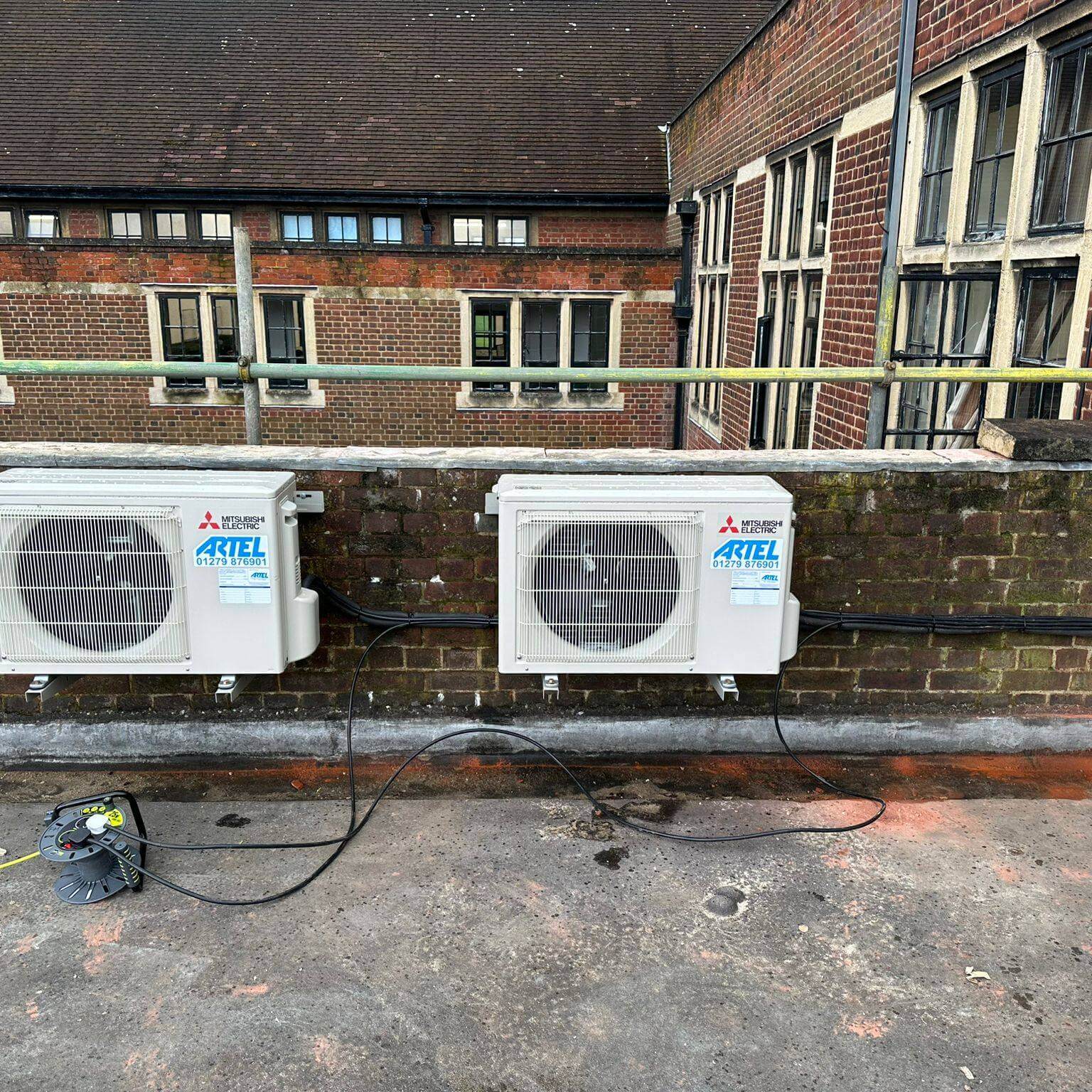
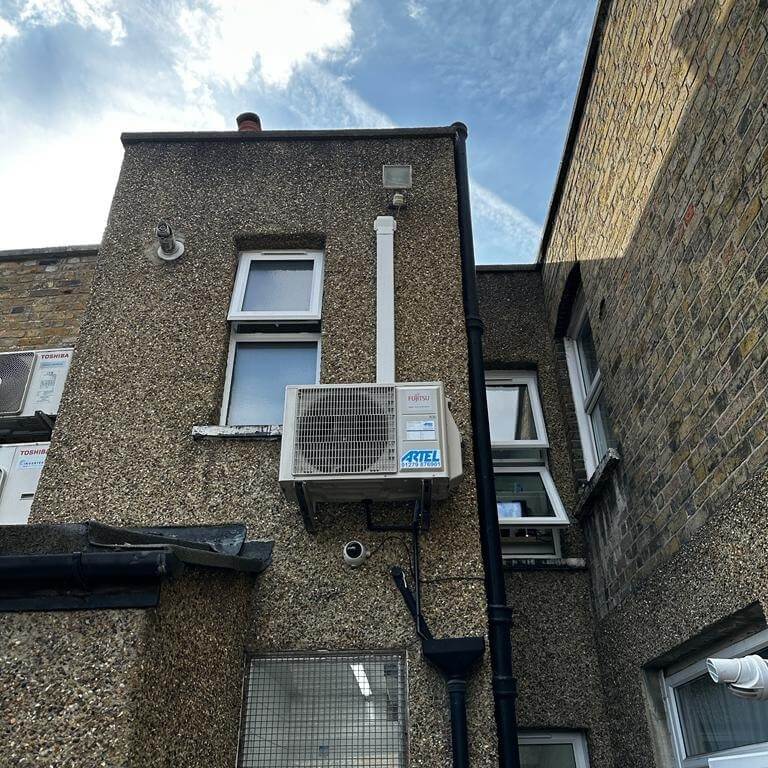
Split Systems: Consisting of indoor and outdoor units, these systems are versatile and can be used in a variety of building sizes.
-
Chilled Water Systems: Ideal for large facilities, where water is chilled to cool the air, making them incredibly energy-efficient.
By understanding the fundamentals of commercial HVAC systems and their importance, businesses can make informed decisions that contribute to both operational success and overall sustainability.
For more information on choosing the right HVAC solutions, visit Trane.
Key Features of Efficient Commercial HVAC Systems
To maximize the benefits of commercial HVAC systems, understanding their key features is essential. Efficient systems not only save on operating costs but also improve comfort and air quality. Below are the critical aspects to consider.
Energy Efficiency Ratings
One of the first indicators of a system's effectiveness is its energy efficiency rating. These ratings help businesses identify which systems offer optimal performance while consuming less energy. Key ratings include:
-
Seasonal Energy Efficiency Ratio (SEER): For air conditioning units; the higher the SEER, the more efficient the unit.
-
Annual Fuel Utilization Efficiency (AFUE): For heating systems; indicates how much fuel is converted into heat.
-
Energy Star Certification: Offers assurance that a product meets strict efficiency guidelines set by the U.S. Environmental Protection Agency.
Smart Technology Integration
Modern commercial HVAC systems often come equipped with smart technology features, enhancing their functionality. Benefits of these integrations include:
-
Remote Monitoring: Allows facility managers to check system performance and make adjustments from anywhere.
-
Automated Controls: Adjusts settings based on occupancy and weather conditions to optimize energy consumption.
-
Data Analytics: Provides insights into system performance and energy usage, helping businesses make informed decisions.
Zoning Systems for Optimal Control
Zoning systems enable different areas of a building to maintain specific temperatures and air quality levels. This feature presents several advantages:
-
Tailored Comfort: Occupants can enjoy personalized climate settings, which enhances comfort and productivity.
-
Energy Savings: Heating and cooling can be directed only where needed, reducing waste and saving on energy costs.
-
Reduced Wear and Tear: By distributing the load, each system component experiences less stress, potentially extending its lifespan.
Utilizing these key features in commercial HVAC systems can significantly enhance a building’s efficiency, leading to cost savings and improved environmental conditions. For a deeper understanding of energy-efficient HVAC solutions, consider visiting Carrier.
Benefits of Maximizing Efficiency
Maximizing the efficiency of commercial HVAC systems comes with numerous advantages that not only enhance comfort but also contribute to significant cost savings and health benefits. Understanding these benefits can help businesses appreciate the importance of investing in high-functioning HVAC solutions.
Cost Savings on Energy Bills
One of the most immediate impacts of optimizing commercial HVAC systems is a noticeable reduction in energy costs. Energy-efficient systems consume less power, which translates to savings on monthly utility bills. Key strategies include:
-
Regular Maintenance: Routine inspections and services ensure systems operate at peak efficiency.
-
Upgrading Equipment: Replacing outdated models with energy-efficient ones can yield substantial long-term savings.
-
Smart Controls: Using programmable thermostats and sensor-driven technology to reduce energy usage when spaces are unoccupied.
Enhanced Indoor Air Quality
Efficient commercial HVAC systems play a crucial role in maintaining superior indoor air quality (IAQ). Benefits associated with improved IAQ include:
-
Reduced Allergens: Advanced filtration systems minimize dust, pollen, and other pollutants.
-
Improved Respiratory Health: Cleaner air can lead to fewer respiratory issues and allergies among employees and customers.
-
Increased Productivity: Studies show that better air quality can enhance cognitive function and productivity among staff.
Improved Equipment Longevity
When commercial HVAC systems operate efficiently, they not only save energy but also reduce wear and tear, extending the lifespan of the equipment. Key points include:
-
Consistent Performance: Well-maintained systems perform better and experience fewer breakdowns.
-
Lower Replacement Costs: Extending the lifespan of HVAC components avoids frequent capital expenditures for new equipment.
-
Fewer Repairs: Regular maintenance and efficient operations reduce the risk of costly repairs due to neglect.
Maximizing the efficiency of commercial HVAC systems is vital for any business seeking to optimize its operations while enhancing comfort and satisfaction. To learn more about energy-efficient solutions and technologies, check out Johnson Controls.
Strategies for Maximizing Efficiency
Maximizing the efficiency of commercial HVAC systems not only saves money but also ensures a comfortable and healthy environment for tenants and employees. Below are several effective strategies to enhance the efficiency of HVAC systems.
Regular Maintenance Practices
Consistent maintenance is crucial for optimizing the performance of commercial HVAC systems. Recommended practices include:
-
Routine Inspections: Schedule regular check-ups to identify and resolve potential issues before they escalate.
-
Filter Replacement: Change or clean filters at least monthly to ensure proper airflow and minimize energy consumption.
-
Clean Coils and Ducts: Keeping coils clean and ensuring ductwork is free of obstructions can significantly boost efficiency.
Upgrading to Modern Systems
Older HVAC systems tend to be less efficient and more costly to operate. Upgrading to modern systems can provide numerous benefits:
-
Higher Efficiency Ratings: New units typically come with improved energy efficiency ratings, such as SEER and AFUE, leading to decreased energy costs.
-
Enhanced Technology: Newer models often include advanced features like variable-speed compressors and smart technology capabilities.
-
Incentives and Rebates: Many utility companies offer financial incentives for upgrading to energy-efficient equipment, helping to alleviate initial costs.
Utilizing Smart Thermostats and Controls
Integrating smart technology into commercial HVAC systems can significantly boost efficiency. Consider these options:
-
Programmable Thermostats: Set schedules to adjust temperatures based on business hours, ensuring energy is conserved when spaces are unoccupied.
-
Zoning Systems: Implement zoning controls to maintain different temperatures in distinct areas based on their specific usage and occupancy needs.
-
Energy Management Systems: Use centralized software to monitor and control all HVAC operations in real-time, optimizing performance and identifying inefficiencies.
By implementing these strategies, businesses can successfully maximize the efficiency of their commercial HVAC systems, resulting in lower operational costs and a more comfortable environment. For expertise in energy-efficient technologies, visit Lennox.
Choosing the Right Commercial HVAC System
Selecting the appropriate commercial HVAC system is a critical decision that can impact comfort, energy efficiency, and operating costs for years to come. Here are important factors to consider when choosing the right system for your business needs.
Evaluating Business Needs
Before diving into specific systems, it’s essential to evaluate the unique requirements of your business. Consider:
-
Building Size and Layout: Larger buildings may require multiple units or a central system, while smaller spaces might benefit from a simpler solution.
-
Occupancy Levels: Understanding how many people will regularly use the space can help determine the necessary capacity for heating and cooling.
-
Type of Business Operations: Different industries have distinct HVAC requirements; for instance, retail spaces may prioritize ventilation for air quality, while manufacturing facilities might need robust cooling solutions.
Comparing Different System Options
There are several options when it comes to commercial HVAC systems. Some of the most common include:
-
Rooftop Units (RTUs): Ideal for larger commercial buildings, RTUs are often more efficient since they utilize outside air for cooling.
-
Split Systems: These versatile systems feature separate indoor and outdoor units, allowing for efficient heating and cooling across various areas.
-
Variable Refrigerant Flow (VRF): An advanced option that allows for multiple indoor units to be connected to a single outdoor unit, providing targeted climate control in different areas.
Working with HVAC Professionals
Collaborating with experienced HVAC professionals can greatly influence your selection process. Benefits include:
-
Expert Guidance: Professionals can assess your specific needs and recommend tailored solutions.
-
Installation Assurance: Proper installation is crucial for the efficiency and longevity of commercial HVAC systems.
-
Ongoing Support: Choose a service provider that offers maintenance and support to ensure your system remains efficient over time.
By thoroughly evaluating your business requirements, comparing available options, and seeking expert advice, you can confidently choose the right commercial HVAC system that aligns with your operational goals. For more insights on commercial HVAC solutions, check out Honeywell.
Conclusion
Maximizing efficiency with commercial HVAC systems is not just a matter of comfort; it is an essential factor in reducing operational costs and promoting a healthier environment for occupants. By understanding the components, key features, and benefits of these systems, businesses can make informed decisions.
Recap of Efficiency Importance
The importance of maximizing efficiency in commercial HVAC systems can be summarized by the following points:
-
Cost Reduction: Efficient systems lead to lower energy bills and long-term savings.
-
Health Improvement: Enhanced air quality contributes to better health and productivity among employees.
-
Sustainability: Energy-efficient systems help reduce environmental impact, aligning with corporate sustainability goals.
Encouragement to Evaluate Current Systems
Businesses should regularly assess their current HVAC systems to identify opportunities for upgrades or maintenance. By taking proactive steps, companies can ensure their systems operate optimally, leading to enhanced comfort and savings.
Investing in efficient commercial HVAC systems today not only pays off in energy cost savings but also fosters a positive work environment and contributes to a greener future. For detailed information on effective HVAC solutions, visit Daikin.
What are commercial HVAC systems?
Commercial HVAC systems are heating, ventilation, and air conditioning systems specifically designed to regulate indoor climate conditions in commercial spaces, such as offices, retail stores, and industrial facilities. These systems are larger and more complex than residential HVAC systems, allowing them to handle higher loads and offer specialized features.
How can I improve the efficiency of my commercial HVAC system?
Improving the efficiency of your commercial HVAC system can be achieved through regular maintenance, upgrading to energy-efficient models, and implementing smart controls. Routine inspections, filter replacements, and cleaning ducts can help prevent performance issues, while modern systems equipped with smart technology can optimize energy use based on real-time demand.
What are the key benefits of energy-efficient commercial HVAC systems?
Energy-efficient commercial HVAC systems provide multiple benefits, including reduced energy costs, improved indoor air quality, and enhanced comfort for occupants. By consuming less power, these systems lower utility bills and can lead to significant savings over time, while also contributing to a healthier work environment and longer equipment lifespan.
How often should I perform maintenance on my commercial HVAC system?
It's recommended to conduct maintenance on your commercial HVAC system at least twice a year—typically in the spring and fall—to ensure optimal performance. This maintenance should include inspections, cleaning, and necessary repairs to keep the system running efficiently and to prevent costly breakdowns.
What should I consider when choosing a new commercial HVAC system?
When selecting a new commercial HVAC system, consider factors such as the size and layout of your building, the specific heating and cooling needs of the space, and the energy efficiency ratings of the available models. Consulting with HVAC professionals can also help you make an informed decision that aligns with your business goals and budget.