HVAC Unit: A Comprehensive Guide
This guide offers an extensive overview of HVAC units, encompassing their design, operation, and the impact they have on indoor environment quality. It delves into how these systems manage not just temperature, but also air quality and noise levels, ensuring a comfortable and healthy atmosphere in homes and buildings.
Understanding HVAC Systems
HVAC systems play a pivotal role in our daily comfort by controlling the climate inside our buildings. They are energy efficient, boasting advanced control systems that maintain clean air while keeping energy costs low. This balance is crucial for both environmental and economic sustainability.
What Is HVAC?
An HVAC system, at its core, is designed to provide comfort by regulating indoor temperature, ensuring energy efficiency, and maintaining air quality. Through sophisticated control systems, these units manage to keep energy costs down while supplying clean air, making them indispensable in modern infrastructure.
The Distinction Between HVAC and Air Conditioning
While often used interchangeably, HVAC systems encompass more than just air conditioning. They integrate heating, ventilation, and air conditioning functions to control the complete indoor climate, offering a comprehensive solution for thermal comfort and air quality.
Key Components and How They Work Together
The harmony between heating or cooling elements within an HVAC system is critical. This synergy ensures that indoor environments remain comfortable year-round, adapting to the external climate changes seamlessly.
The Evolution of HVAC Technology
Over the years, HVAC technology has seen significant advancements. Today’s systems are more energy efficient and equipped with sophisticated control systems, enabling smarter, more adaptable climate control solutions that respond dynamically to environmental and occupancy changes.
A Brief History of Heating, Ventilation, and Air Conditioning
The journey of HVAC systems began with basic heating and ventilation solutions and has evolved into today’s energy efficient technologies. This progression underscores a continuous effort to improve indoor air quality and comfort while minimizing energy consumption.
Milestones in HVAC Development
Modern Innovations in HVAC Systems
Types of HVAC Units
Individual and Packaged HVAC Units
Attention to noise levels is paramount in the design of both individual and packaged HVAC units. Manufacturers strive to minimize disruption, ensuring that these systems operate quietly while efficiently managing the climate within buildings.
District Networks and Their Significance
Wall Mounted, Portable, and Ceiling Cassette Air Conditioning
The versatility of air conditioning systems is evident in the variety of installations, including wall-mounted, portable, and ceiling cassette units. Each type is designed to suit different spatial requirements, utilizing an air system that can be tailored to individual needs.
Heating Solutions within HVAC
Generation and Distribution of Heat
The efficient generation and distribution of heat are fundamental in heating or cooling systems. This process is crucial for maintaining optimal indoor temperatures, ensuring that spaces are comfortable regardless of the season.
Water/Steam vs. Air-based Systems
Water/steam and air-based systems offer different methods for heating and cooling buildings. Water or steam systems use boilers to heat water or generate steam, which then travels through pipes to radiators in each room. This approach is efficient for heating but not commonly used for cooling. On the other hand, air-based systems circulate conditioned air through ductwork, providing both heating and cooling. These systems are more versatile, allowing for traditional air conditioning and heating in one setup.
Ground Source Heat Pumps
Ground source heat pumps are a sustainable way to heat and cool buildings. They use the earth’s constant underground temperature to exchange heat. During winter, they draw heat from the ground to warm the building. In summer, they remove heat from the building and discharge it into the ground. This method is highly efficient, reducing the need for traditional air conditioning and heating systems.
Solar Air Conditioning Options
Solar air conditioning uses solar power to cool buildings. There are two main types: systems that convert solar energy into electricity, powering traditional air conditioning units, and solar thermal systems that use heat from the sun to drive a cooling process. Both options significantly reduce reliance on fossil fuels and lower energy costs, making them an eco-friendly choice for cooling.
Ventilation and Its Importance
Ventilation is crucial for maintaining a healthy indoor environment. It ensures that fresh air enters a building, while excess moisture, carbon dioxide, and other pollutants are removed. Good ventilation supports the well-being of occupants by providing clean air and preventing the buildup of harmful substances.
Mechanical vs. Natural Ventilation
Mechanical ventilation uses fans and duct systems to move air in and out of a building. It’s effective but consumes energy. Natural ventilation relies on windows, doors, and vents to allow air to flow naturally. This method saves energy and can be very effective, especially in climates where the outdoor air is comfortable for much of the year.
Addressing Airborne Diseases
Ventilation plays a key role in reducing the spread of airborne diseases. Natural ventilation, through open doors and windows, allows fresh air to dilute and remove pathogens. Mechanical ventilation systems, when properly designed and maintained, can filter air and reduce the concentration of airborne contaminants, including viruses, making indoor spaces safer.
Ventilation Energy Recovery Systems
Ventilation energy recovery systems capture energy from exhausted indoor air and use it to condition incoming fresh air. This process reduces the energy needed to heat or cool the air, making the ventilation system more efficient and reducing overall energy consumption in buildings.
Air Conditioning and Climate Control
Air conditioning units play a vital role in climate control within buildings, providing comfort to occupants by cooling and dehumidifying the air. This technology is essential in regions with hot climates, ensuring indoor environments remain pleasant throughout the year.
The Refrigeration Cycle Explained
The refrigeration cycle is a process that air conditioning units use to cool buildings. It involves a refrigerant gas that absorbs heat from the indoor air and releases it outside. This cycle consists of compression, condensation, expansion, and evaporation stages, making it possible to maintain cooler temperatures indoors.
Split Systems and Their Efficiency
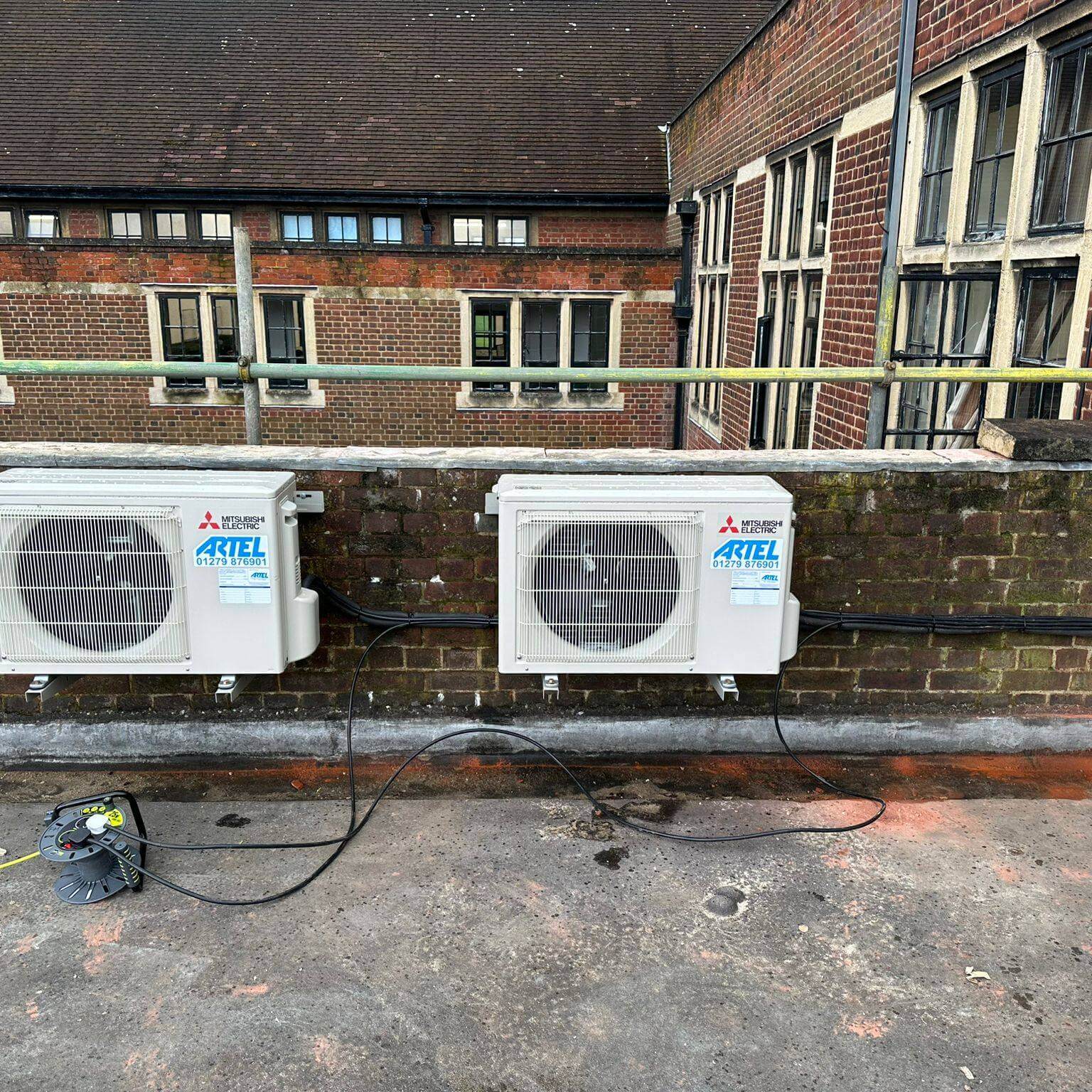
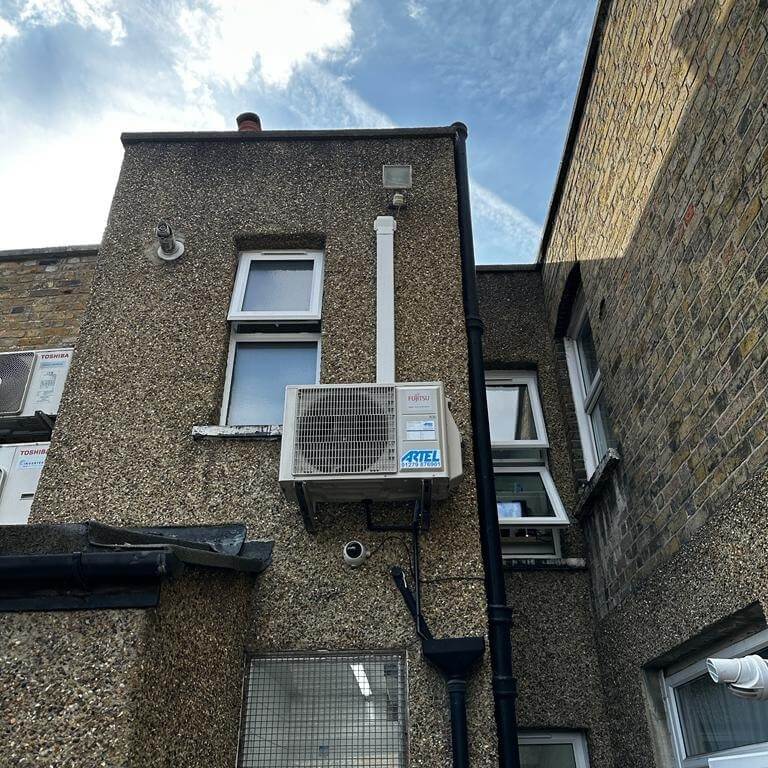
Split systems are a type of ductless systems that consist of an outdoor unit and one or more indoor units. They are highly efficient because they allow for individual room control, reducing energy waste by cooling or heating only the spaces in use. This targeted approach makes split systems an energy-efficient choice for climate control.
Free Cooling and Humidification Techniques
Free cooling utilizes the cooler outdoor air to reduce temperatures inside a building, bypassing the need for mechanical refrigeration when conditions allow. Humidification techniques add moisture to the air, improving comfort and air quality, especially in dry climates or during winter months when indoor air can become too dry.
Enhancing Air Quality
Enhancing air quality in buildings is essential for occupant health and well-being. It involves controlling pollutants, ensuring adequate ventilation, and maintaining comfortable humidity levels. Clean air contributes to a healthier and more pleasant indoor environment.
Air Filtration and Cleaning Mechanisms
Air filtration and cleaning mechanisms remove particles, pollutants, and allergens from the air, improving indoor air quality. These systems can significantly reduce the presence of dust, pollen, and other airborne contaminants, making the air healthier to breathe.
The Role of Dehumidification
Dehumidification plays a crucial role in air quality by removing excess moisture from the air. This process prevents the growth of mold and mildew, which can cause health problems and damage building materials. Maintaining the correct humidity level also improves comfort and air quality.
Demand-Controlled Kitchen Ventilation
Demand-controlled kitchen ventilation adjusts the exhaust fan speed based on cooking activity, reducing energy use and improving air quality. This technology ensures that kitchen areas have adequate ventilation to remove cooking odors and pollutants, while minimizing energy consumption by not over-ventilating during periods of low activity.
Energy Efficiency in HVAC Systems
Improving energy efficiency in HVAC systems is crucial for reducing reliance on fossil fuels. By optimizing the operation of cooling and heating units, significant energy savings can be achieved. This involves the careful design of air ducts to ensure quiet operation while maintaining the desired temperature efficiently.
Heating and Air Conditioning Energy Use
Heating and air conditioning systems are among the largest consumers of energy in buildings. Their energy use can be minimized through efficient design, proper insulation, and regular maintenance. By focusing on these areas, it’s possible to achieve a comfortable indoor environment with lower energy consumption.
Implementing Solar and Ground Source Solutions
Integrating solar and ground source solutions into HVAC systems represents a significant step towards sustainability. Solar panels can supply electricity for air conditioning systems, while ground source heat pumps offer an efficient way to heat and cool buildings by exploiting the stable temperature of the earth.
Ventilation Strategies to Reduce Energy Consumption
Effective ventilation strategies can significantly reduce energy consumption in HVAC systems. Utilizing energy recovery ventilators, for instance, allows for the exchange of heat and moisture between incoming and outgoing airstreams, reducing the need for additional heating or cooling.
HVAC System Maintenance
Regular maintenance of HVAC systems is essential for their efficient operation and longevity. A well-maintained system not only performs better but also consumes less energy, leading to reduced operational costs and a smaller carbon footprint.
Routine Maintenance Guidelines
Following routine maintenance guidelines ensures that HVAC systems operate efficiently. This includes regular cleaning of filters, inspection of air ducts, and checking of refrigerant levels. These simple steps can prevent common issues and extend the system’s lifespan.
Dangers and Common Issues to Avoid
Ignoring maintenance can lead to several issues, including reduced efficiency, higher energy costs, and potential breakdowns. Some common dangers include clogged filters, leaking ducts, and malfunctioning components, all of which can significantly impact system performance.
The Importance of Professional Servicing
Professional servicing is crucial for maintaining the efficiency and safety of HVAC systems. Experts can identify and fix issues that may not be obvious to the untrained eye, ensuring that the system operates at its best and preventing costly repairs in the future.
Global Standards and Regulations
International and national guidelines play a significant role in ensuring the efficiency and safety of HVAC systems. These standards help in designing systems that are not only energy efficient but also environmentally friendly, contributing to global efforts in reducing carbon emissions.
International and National Guidelines
Various guidelines dictate the design, installation, and operation of HVAC systems worldwide. These standards ensure that systems meet certain efficiency and safety criteria, helping to minimize their environmental impact and improve indoor air quality.
Licensing, Societies, and Codes
Licensing requirements, professional societies, and building codes also influence HVAC system design and operation. These elements ensure that professionals are well-trained and systems are built according to the latest standards, promoting safety and efficiency.
HVAC Standards in the United Kingdom
In the United Kingdom, HVAC systems must comply with specific regulations that focus on energy efficiency and safety. These standards are designed to reduce energy consumption, lower greenhouse gas emissions, and ensure that systems are safe for users.
Innovations and Trends in the Asia-Pacific Region
The Asia-Pacific region is witnessing significant innovations and trends in HVAC technology. Efforts are focused on developing systems that are more energy-efficient, incorporating smart technologies, and reducing reliance on fossil fuels, aligning with global sustainability goals.
Making the Right Choice
Choosing the right HVAC unit involves understanding specific installation requirements and how different systems can meet varying needs. Factors such as energy efficiency, cost, and the size of the area to be conditioned play crucial roles in this decision-making process.
Selecting the Ideal HVAC Unit for Your Needs
Selecting the ideal HVAC unit requires careful consideration of several factors, including the specific needs of the space, energy efficiency ratings, and installation requirements. Understanding these factors helps in making an informed choice that ensures comfort, efficiency, and cost-effectiveness.
FAQs: From BTU Requirements to Installation Queries
Choosing the right HVAC unit often leads to many questions, from understanding BTU requirements to navigating installation queries. BTUs, or British Thermal Units, measure how much heat an air conditioner can remove from a room, guiding buyers to select a unit that matches their space’s size. Installation queries often revolve around the outdoor unit, focusing on its placement for optimal efficiency and minimal noise. These FAQs are crucial for ensuring a system not only fits a user’s needs but also operates at its best.
The Future of HVAC: Smart Technologies and Eco-friendly Solutions
The future of HVAC is shaping up to be an exciting blend of smart technologies and eco-friendly solutions. Innovations are focusing on systems that can learn a user’s preferences, automatically adjusting to save energy while maintaining comfort. Eco-friendly solutions, such as solar-powered units and systems using sustainable materials, are becoming more common. These advancements aim to reduce the environmental impact of heating, cooling, and ventilation, marking a significant step towards greener living spaces.
Wrapping Up: The Future of HVAC
As we look towards the future, the HVAC industry is set to undergo transformative changes. The drive towards greener, more efficient systems is at the forefront of innovation. With the introduction of smart technologies, users will have unprecedented control over their environments, ensuring comfort while minimizing energy use. These advancements promise not only to enhance our living and working spaces but also to contribute significantly to global sustainability efforts.
The Move Towards Greener, More Efficient Systems
The HVAC industry is increasingly moving towards greener, more efficient systems. This shift is driven by a desire to reduce energy consumption and the environmental impact of heating, cooling, and proper ventilation. Innovations in hvac components and methods to control the temperature are leading to systems that offer significant energy savings and lower carbon footprints. This movement towards efficiency is not just beneficial for the planet but also results in cost savings for consumers.
How Innovations Are Shaping the Next Generation of HVAC
Innovations in the HVAC industry are shaping the next generation of heating, ventilation, and air conditioning systems. These advancements include smart thermostats that learn from your habits, energy-efficient designs that reduce utility bills, and systems that ensure the air in buildings is clean and fresh. As technology evolves, HVAC systems are becoming more intuitive, efficient, and environmentally friendly. This evolution is set to redefine comfort and sustainability in homes and businesses around the world.