HVAC Installation: A Comprehensive Guide for Homeowners
Installing an HVAC system in your home is a significant step towards ensuring comfort and energy efficiency. It entails choosing the right components and understanding how they work together to heat, cool, and ventilate your space effectively. This guide aims to provide homeowners with comprehensive knowledge on HVAC installation, from selecting the right system to maintaining it for optimal performance.
Whether you’re installing a new system or upgrading an existing one, it’s essential to consider factors such as the size of your home, local climate, and energy efficiency. A well-installed HVAC system not only provides year-round comfort but also helps in reducing energy bills, making it a worthy investment for any homeowner.
Understanding HVAC Systems and Their Components
HVAC stands for heating, ventilation, and air conditioning, and it plays a crucial role in keeping your home comfortable. The system includes various components like furnaces, air conditioners, ductwork, and thermostats that work together to control the temperature and air quality inside your house.
The Basics of HVAC: Heating, Ventilation, and Air Conditioning
At its core, an HVAC system aims to provide a comfortable indoor environment for your home throughout the year. In places like London and the south, where the climate can vary widely, having a reliable HVAC system ensures that your home remains warm during cold months and cool during the hot season. This balance is achieved through efficient heating, ventilation, and air conditioning processes.
Air Source Heat Pumps: An Efficient Alternative
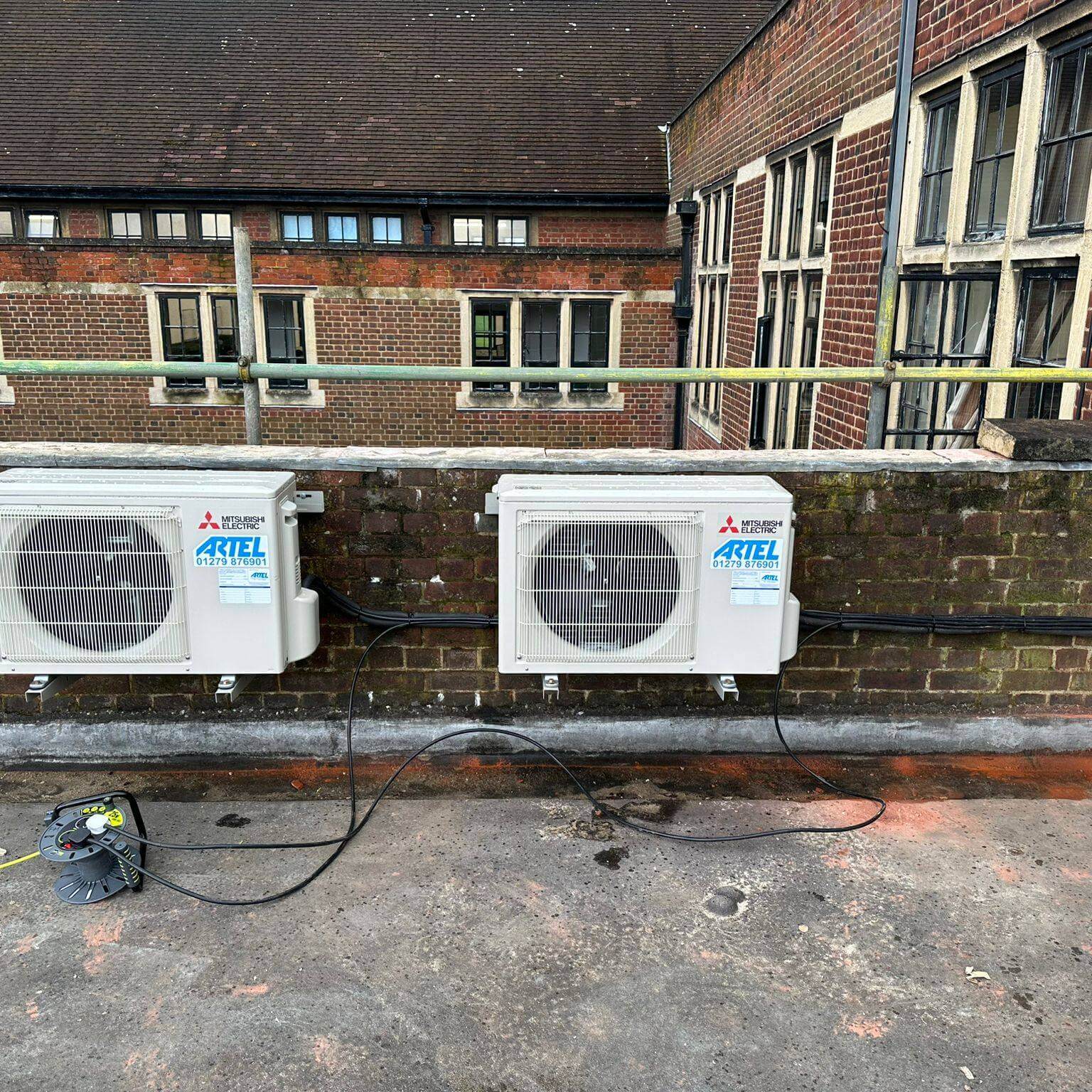
Air source heat pumps are gaining popularity as an efficient alternative to traditional HVAC systems. They work by transferring heat from outside to inside your home during winter and vice versa during summer. This process is not only environmentally friendly but also cost-effective, significantly reducing energy bills and saving money for homeowners.
Ventilation Systems: Ensuring Air Quality in Your Home
Good air quality is essential for a healthy living environment. Ventilation systems play a critical role in replacing stale indoor air with fresh outdoor air, thus removing pollutants and moisture from your home.
Types of Ventilation: Natural vs Mechanical
Ventilation can be achieved through natural means, like windows and vents, or through mechanical systems that use fans and ductwork. Mechanical ventilation is often more effective in controlling air flow and quality, especially in homes where natural ventilation is limited. Individual units installed in various parts of the house can ensure that each room has adequate air exchange.
Importance of Regular Maintenance
Regular service and maintenance are vital for keeping your HVAC system running efficiently. This includes tasks like cleaning filters, checking for duct leaks, and ensuring that all components are functioning correctly. Regular maintenance helps in preventing unexpected breakdowns and extends the lifespan of your system.
Preparing for Your HVAC Installation
Before installing an HVAC system, it’s important to assess your needs and understand the options available. This preparation ensures that you choose a system that matches your home’s size and your family’s comfort requirements.
Choosing the Right HVAC System for Your Home
Selecting the ideal HVAC system involves considering the balance between energy efficiency and the specific heating and air conditioning needs of your home. A system that is too large or too small can lead to inefficient operation and increased energy bills.
Factors to Consider: Size, Efficiency, and Type
When choosing an HVAC system, key factors such as the size of your home, the system’s energy efficiency, and the type of system best suited for your climate should guide your decision. The right choice can significantly impact your comfort and reduce energy bills.
The Installation Process: What to Expect
Understanding the installation process can help homeowners prepare for what lies ahead. Professional installation is critical for ensuring that the system operates safely and efficiently.
Timeline and Steps Involved in Professional HVAC Installation
The installation process typically involves several steps, from inspection and old system removal to new system installation and testing. A professional HVAC installer will guide you through the process, ensuring that the installation is completed smoothly and within the expected timeline.
Cost Considerations for HVAC Systems
Investing in an HVAC system involves initial costs for purchase and installation, as well as ongoing costs for maintenance and energy consumption. Understanding these costs is crucial for budget planning.
Breaking Down the Costs of HVAC Installation
The total cost of HVAC installation varies depending on factors like the size of your home, the type of system you choose, and the complexity of the installation. For instance, boiler installation can add to the overall cost due to the need for additional plumbing work.
Air Conditioning Installation: Budgeting for Comfort
Installing an air conditioning system requires careful budgeting, considering not only the initial purchase and installation costs but also ongoing expenses like air duct cleaning and maintenance of ventilation systems. These factors together ensure that your system runs efficiently, providing comfort without overspending.
Factors Influencing Air Conditioning Installation Costs
Several factors can affect the cost of installing an air conditioning system in a home. First, the type of air conditioning unit chosen plays a significant role. Options range from window units, which are generally less expensive, to central air systems, which require a more complex installation process and therefore cost more. The size of the home is another crucial aspect; larger homes will need more powerful systems to cool efficiently, increasing the overall price. Additionally, the existing ductwork’s condition can impact costs. Homes without ducts or with outdated duct systems may need significant modifications or new ductwork installed, further elevating expenses. Finally, the installer’s experience and location can influence the installation price, with seasoned professionals and areas with higher living costs typically commanding higher fees.
Long-Term Savings: Energy Efficiency and Reduced Bills
Investing in an HVAC system with high efficiency can lead to significant savings over time. The efficiency of an HVAC system is crucial as it directly influences energy consumption and utility bills. By choosing a system designed for maximum efficiency, homeowners can enjoy reduced energy bills and a smaller carbon footprint. Over the years, these savings can add up, making the initial investment in a high-efficiency system financially beneficial. Furthermore, efficient systems often require less service and maintenance, adding to the long-term savings.
Finding a Qualified HVAC Installer
Finding a qualified HVAC installer is a critical step in ensuring your system operates at its best. A professional installer brings the experience and expertise needed to correctly size and fit your HVAC system, ensuring it runs efficiently and effectively. They can also provide valuable advice on the best system for your home, taking into account your specific needs and budget. Moreover, a qualified installer will be up-to-date with the latest HVAC technologies and installation techniques, further enhancing the efficiency and longevity of your system.
The Importance of Professional Installation
Professional installation of your HVAC system cannot be overstated. It ensures that your system is installed correctly and safely, operating at its peak efficiency. This is essential for achieving the desired comfort levels in your home while keeping energy consumption and costs low. An expertly installed system also tends to have fewer operational issues over time, reducing the need for repairs and extending its lifespan.
How to Find and Choose an HVAC Installer
Finding the right HVAC installer involves research and due diligence. Start by seeking recommendations from friends, family, or online reviews to compile a list of potential installers. It’s important to check each installer’s qualifications, certifications, and experience to ensure they meet your standards. Don’t hesitate to ask for references and proof of insurance and licensing. Organise interviews with your top choices to discuss your project, and ask about their approach to installation, service, and maintenance. Choosing an installer who offers a solid warranty and after-sales support is also beneficial, as it provides peace of mind and protection for your investment.
Essential Questions to Ask Your Installer
Before commencing an HVAC installation, it’s crucial to engage with your installer. Ask about their experience and if they’re certified to work with your chosen system. Inquire about the estimated timeline and any warranties on their work. Understanding their process for dealing with unexpected issues during installation will also give you peace of mind.
Maintenance and Upkeep of Your HVAC System
Regular maintenance is the backbone of preserving your HVAC system’s efficiency and prolonging its lifespan. Scheduling seasonal check-ups, particularly before heavy usage periods, ensures optimal performance. This proactive approach minimizes the risk of sudden breakdowns, keeping your system running smoothly year-round.
Regular Maintenance: Key to Longevity and Efficiency
Maintaining the efficiency of HVAC systems hinges on consistent care and timely interventions. Regular filter changes, duct inspections, and coolant level checks are essential. These simple steps significantly contribute to the system’s overall efficiency, reducing energy consumption and costs. Additionally, professional servicing can detect and rectify minor issues before they escalate into major problems.
When to Consider HVAC System Replacement or Upgrade
Deciding on an HVAC system replacement or upgrade involves considering several factors. If repair and maintenance costs are continuously rising, or if your system is no longer energy efficient, it might be time for a change. Modern systems offer enhanced energy efficiency, translating to lower utility bills and improved home comfort. It’s wise to consult with a professional to assess your current system and explore potential upgrades.
Navigating Common HVAC Installation Challenges
Installing an HVAC system can be complex, especially when encountering specific challenges like space limitations or unique home designs. Professional installers are adept at devising solutions that accommodate such constraints, ensuring optimal system performance without compromising the aesthetic or structural integrity of your home.
Dealing with Space Constraints
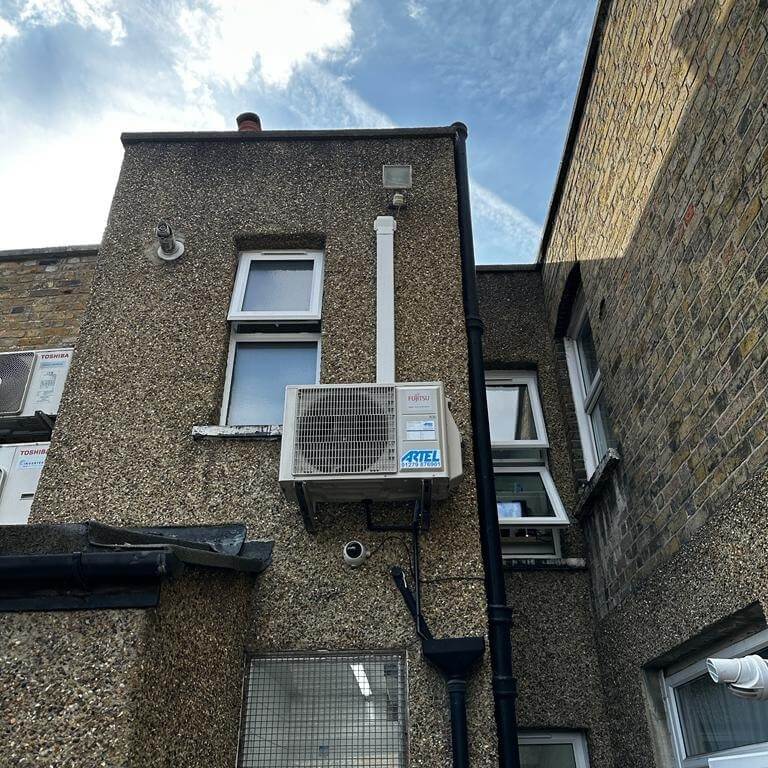
Space constraints can pose significant challenges during HVAC installations. Professionals often recommend compact or split systems that fit tight spaces effectively. Strategic positioning and innovative ductwork solutions are key to maximizing efficiency and airflow in limited spaces, ensuring your home achieves the desired comfort levels.
Addressing Unique Home Layouts and Design Considerations
Unique home layouts require a tailored approach to HVAC installation. Custom ductwork, zoning systems, and variable speed units can provide efficient heating and cooling across diverse spaces. Installers must consider architectural features and room usage to ensure a balanced distribution of air, catering to the specific needs of each area within the home.
Legal and Safety Considerations in HVAC Installation
Adhering to legal and safety standards is paramount during HVAC installations. This involves securing the necessary permits and ensuring the installation complies with local regulations and building codes. A focus on safety helps prevent potential hazards, safeguarding both the installers and the household.
Permits and Regulations: Staying Compliant
Obtaining the correct permits is a crucial step in the HVAC installation process. It ensures that the system’s installation meets local building codes and safety standards. Compliance with these regulations not only guarantees the system’s safety but also its efficiency and longevity. Professionals are familiar with these requirements and can navigate the permitting process on behalf of homeowners.
Safety First: Ensuring Proper Installation and Operation
Ensuring the safety of HVAC systems through proper installation and operation is a top priority. Installers must follow stringent guidelines to avoid risks like electrical hazards, gas leaks, or improper ventilation. Regular safety inspections and adherence to best practices protect against these dangers, ensuring a safe and comfortable environment for all occupants.
The Future of HVAC Technology
The HVAC industry is on the brink of transformative changes, with advancements aimed at increasing efficiency, reducing environmental impact, and enhancing user convenience. These innovations promise to redefine home comfort and energy management, making systems smarter and more adaptive to individual needs.
Innovations in HVAC Systems: What’s Next?
The future of HVAC technology is geared towards integrating ventilation and air-conditioning systems with renewable energy sources, such as solar power, to boost sustainability. Innovations like geothermal heat pumps and smart thermostats are paving the way for more energy-efficient homes. These advancements not only enhance efficiency but also contribute to reducing carbon footprints, aligning with global environmental goals.
The Role of Smart Home Technology in HVAC Efficiency
Smart home technology is revolutionizing the way we manage HVAC efficiency. Through automation and intelligent learning capabilities, smart thermostats and systems optimize heating and cooling schedules based on real-time data and user behavior. This not only improves comfort but also significantly reduces energy consumption and costs, making it a win-win for homeowners and the environment.
Your Feedback Matters
Your experiences and feedback are invaluable in shaping the future of HVAC installations. Sharing your journey helps others navigate the complex process, from choosing the right system to ensuring its efficient operation. It also aids professionals in refining their services to better meet homeowners’ needs.
Share Your HVAC Installation Experience
We encourage you to share your HVAC installation experience, especially if you reside in London and the South. Your insights can help future homeowners understand the challenges and rewards of installing an HVAC system in these regions. Whether it’s selecting the right model or navigating installation hurdles, your story can provide guidance and reassurance to others embarking on this journey.
Conclusion: Maximising Comfort and Efficiency Through Expert HVAC Installation
Ensuring a comfortable environment in both commercial and industrial settings hinges on the expert installation of HVAC systems, which encompass reliable heating, refrigeration, and ventilation. Highly skilled professionals adept at understanding clients’ requirements are pivotal to integrating air conditioning units, air source heat pumps, and ensuring air conditioning or ventilation systems are optimised for efficiency. This not only meets the immediate needs for a comfortable living or working space but also aligns with efforts to reduce the carbon footprint, showcasing the balance between comfort and environmental responsibility. Ultimately, the choice of an air conditioner or a comprehensive HVAC system, when installed with precision, transforms spaces into bastions of comfort and efficiency.