Air Conditioning and Ventilation System: A Comprehensive Guide
Air conditioning and ventilation are crucial for maintaining comfortable and healthy indoor environments. This guide explores their fundamentals, technological advances, and the importance of selecting efficient and effective systems for various needs.
Understanding the Basics of Air Conditioning and Ventilation
Air conditioning systems cool spaces by removing heat and humidity from indoor air. Ventilation, on the other hand, replaces or exchanges indoor air with fresh air from outside, improving air quality and removing pollutants.
The Evolution of Air Conditioning
The journey of air conditioning began with the need to preserve food and evolved into a technology that not only cools but also helps to purify the air. This evolution was driven by innovations and the quest for comfort in various climates.
Ventilation: Mechanical vs Passive Systems
While mechanical ventilation systems use fans and ductwork to distribute fresh air throughout buildings, passive systems rely on natural forces like wind and thermal buoyancy to circulate fresh air. Mechanical systems can be integrated with air conditioners for a controlled environment.
Technological Innovations in Air Conditioning and Ventilation
Recent years have seen significant advancements in the efficiency and effectiveness of these systems.
The Refrigeration Cycle Explained
The refrigeration cycle is the backbone of air conditioning, moving heat from the indoor air to the outside, thus cooling the indoor space. This cycle involves compression, condensation, expansion, and evaporation of a refrigerant.
Advances in Mechanical Ventilation
Modern mechanical ventilation systems have improved how fresh air is circulated in buildings, enhancing air quality and energy efficiency.
Demand-Controlled Kitchen Ventilation
This innovative system adjusts the supply air volume based on the level of cooking activity, optimizing energy use while ensuring a comfortable and safe kitchen environment.
Solar Air Conditioning and Its Impact
Solar air conditioning uses an external source of energy to cool spaces, significantly reducing electricity consumption. This sustainable approach also helps purify the air by reducing pollutants from power generation.
The Importance of Efficient Systems
Choosing efficient air conditioning and ventilation systems is vital for environmental sustainability and reducing energy costs.
Maximising Energy Efficiency in Heating and Cooling
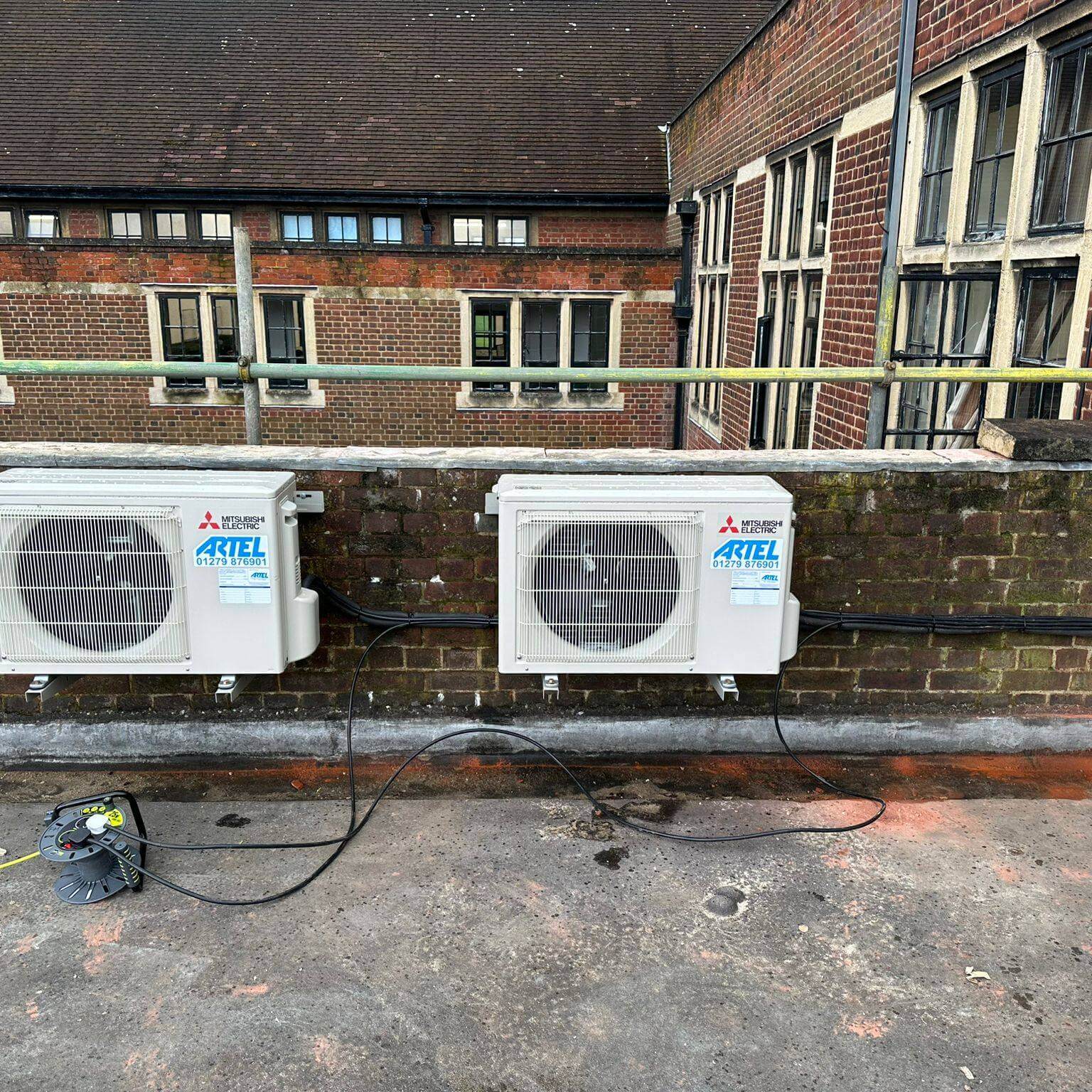
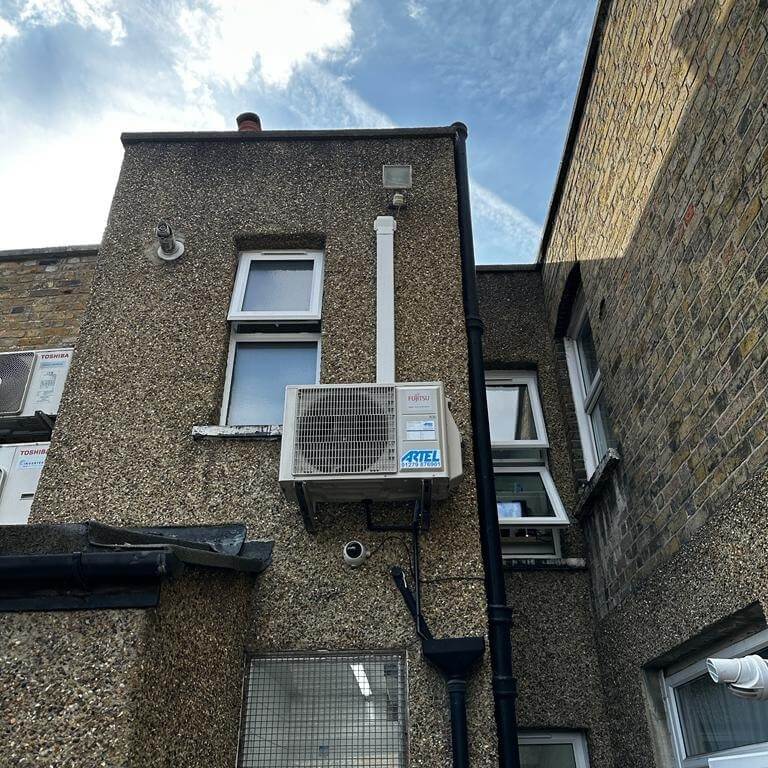
Efficient systems use less energy for heating or cooling. Innovations like split systems have made it easier to achieve comfort without wasteful energy use.
Ground Source Heat Pumps and Solar Innovations
Ground source heat pumps offer an eco-friendly option for heating or cooling by using the stable temperature of the ground.
The Role of Ventilation Energy Recovery
Energy recovery systems improve indoor air quality by bringing in fresh air while minimizing energy loss, making buildings more comfortable and less costly to heat or cool.
Air Quality and Health Considerations
Good air quality is essential for health, making the choice of ventilation systems critical.
Addressing Airborne Diseases through Proper Ventilation
Natural ventilation plays a key role in reducing the spread of airborne diseases by replacing contaminated indoor air with fresh, clean air from outside.
Air Filtration and Cleaning Technologies
Air filtration and cleaning technologies have become vital for maintaining healthy indoor air. These systems work to remove harmful particles like dust, pollen, and bacteria from the air we breathe. Modern air conditioning units often come with advanced filters that can also tackle microscopic pollutants, ensuring the air remains clean. Regular replacement or cleaning of these filters is essential for their effectiveness and the overall efficiency of the HVAC system.
Maintenance and Upkeep of Your System
Maintaining and upkeeping air conditioning and ventilation systems are crucial for their longevity and efficiency. This includes regular checks and cleaning of filters, coils, and air ducts to prevent the build-up of dirt and debris. Ensuring these components are in good condition helps in preventing unexpected breakdowns and can significantly reduce energy consumption, leading to lower utility bills.
The Essentials of Air Conditioning Maintenance
The key to a well-functioning air conditioning system lies in its maintenance. This involves routine tasks such as checking refrigerant levels, inspecting and cleaning air filters, and ensuring that the split system’s indoor and outdoor units are free from obstructions. Such maintenance not only helps in maintaining a comfortable environment but also prolongs the system’s life and enhances its performance.
The Significance of Regular Ventilation Checks
Regular ventilation checks are essential to ensure that stale air, excess moisture, and carbon dioxide are effectively removed from indoor spaces. Proper ventilation helps in the removal of moisture and reduces the risk of mould growth. It also aids in bringing in oxygen-rich air from outside, which is crucial for maintaining good indoor air quality and the health of occupants.
Navigating Regulations and Standards
Navigating through the myriad of regulations and standards is essential for anyone involved in the installation and maintenance of HVAC systems. These standards ensure that systems are energy-efficient, safe, and environmentally friendly. Compliance not only helps in safeguarding the environment but also ensures that systems are operating at their best efficiency.
International and UK Standards for Systems
International and UK standards for air conditioning and ventilation systems set the benchmarks for safety, efficiency, and environmental impact. Adhering to these standards ensures that systems are compliant with global best practices and local regulations, helping to reduce carbon footprints and improve indoor air quality. It is crucial for professionals in the field to stay updated with these standards to ensure compliance.
The Impact of Certifications on Installation and Maintenance
Certifications play a crucial role in the installation and maintenance of HVAC systems. They assure that professionals have the necessary skills and knowledge to perform their tasks according to industry standards, ensuring the safety and efficiency of the systems.
Understanding FGAS and Gas Safe Certifications
FGAS and Gas Safe certifications are essential for professionals working with HVAC systems. FGAS certification is required for handling certain types of refrigerants, ensuring that they are used safely and responsibly to protect the environment. Gas Safe certification is mandatory for those working with gas appliances, ensuring they meet safety standards. Both certifications are crucial for maintaining the integrity and safety of HVAC installations.
Choosing the Right System for Your Needs
Selecting the right HVAC system requires a balance between comfort, efficiency, and budget. Factors such as the size of the space, the local climate, and specific needs like humidity control and air filtration should be considered. Understanding the differences between mechanical ventilation and air conditioning units can guide homeowners and businesses in making informed decisions that suit their unique requirements.
Mechanical Ventilation or Air Conditioning: Making the Informed Decision
Deciding between mechanical ventilation and air conditioning depends on several factors including the need to cool or heat the air, control humidity, and remove excess moisture. While mechanical ventilation removes stale air and introduces fresh air, air conditioning units can also cool or heat the air, offering a more comprehensive solution for comfort and air quality.
Tailored HVAC Solutions for Various Sectors
Different sectors require bespoke HVAC solutions to meet their specific needs. Proper ventilation is crucial in designing systems that ensure the well-being of occupants while also being energy efficient.
Solutions for Healthcare, Education, and Leisure
Healthcare, education, and leisure facilities demand tailored HVAC solutions to address their unique needs. In healthcare, systems must support strict air quality standards to prevent the spread of infections. Educational institutions require solutions that promote a conducive learning environment, while leisure facilities need systems that can handle high occupancy levels without compromising on comfort or air quality.
Final Thoughts on Maximising Comfort and Efficiency
Maximising comfort and efficiency in HVAC systems is achievable through thoughtful selection, regular maintenance, and adherence to standards. Incorporating energy recovery and humidity control technologies can further enhance efficiency. Ultimately, the goal is to create a comfortable environment that meets the needs of occupants while also being energy efficient and environmentally friendly.
Balancing Cost, Comfort, and Efficiency in System Selection
Choosing the right HVAC system involves balancing cost, comfort, and efficiency. Factors such as the initial investment, operating costs, and the system’s ability to maintain a comfortable environment must be weighed. Technologies like ductless systems, heat exchangers, and control systems can offer enhanced comfort and efficiency, making them worth considering for residential applications.