What Is HVAC? Understanding Heating, Ventilation, and Air Conditioning
HVAC stands for heating, ventilation, and air conditioning, a technology designed to make indoor and vehicular environments comfortable. It is a crucial part of residential structures, hospitals, vehicles, and marine environments where safe and healthy building conditions are regulated with respect to temperature and humidity, using fresh air from outdoors. The main aim of HVAC systems is to provide thermal comfort and acceptable indoor air quality.
Portable air conditioners, as part of the wider air conditioning and HVAC, offer flexible, moveable solutions to cooling needs, complementing the fixed HVAC components. Ventilation and air conditioning play pivotal roles in circulating and filtering air to remove smoke, odours, moisture, and other pollutants like airborne bacteria. Properly designed HVAC systems keep a check on the ambient environment and ensure the well-being of occupants by regulating the air flow.
The Foundations of HVAC
The principles of HVAC design are grounded in thermodynamics, fluid mechanics, and heat transfer. The science behind these systems is aimed at improving the indoor air quality and providing comfort for everyone inside a building. Knowing how these systems work helps in understanding their importance in our daily lives.
The Core Components: Heating, Ventilation, Air Conditioning
Heating, ventilation, and air conditioning units are the three primary HVAC components. Heating is achieved through boilers or furnaces, ensuring warm air circulates inside during cold weather. Ventilation allows air to enter and moisture to escape, ensuring the air inside is fresh and clean. Finally, air conditioning units cool down the air inside, providing relief from the heat.
HVAC Heating: From Boilers to Furnaces
HVAC heating systems come in various forms, including boilers that heat water for steam radiators, or furnaces that heat air for distribution through the building’s ductwork. This range offers choices for homeowners and businesses based on efficiency, cost, and the nature of the building being heated.
Ventilation: Mechanical, Forced, and Natural Strategies
Ventilation ensures the exchange of indoor and outdoor air, allowing excess moisture and carbon dioxide to escape. Natural ventilation relies on passive air flow through windows, doors, or vents, which is present in most homes. However, mechanical or forced ventilation systems use fans and ductwork to continuously remove stale air and distribute fresh air throughout the building.
Air Conditioning: Central, Split Systems, and Beyond
Air conditioning systems, from central to split systems, play a key role in cooling buildings. These systems are designed to be energy efficient, reducing the amount of electricity needed to cool down a space. Advanced technology allows these systems to cool more effectively while using less energy.
The Evolution of HVAC Systems
Over the years, HVAC technology has seen significant advancements, making systems more efficient and environmentally friendly. This evolution reflects the growing demand for systems that not only provide comfort but also reduce energy consumption and carbon footprint.
A Brief History of HVAC Developments
The history of HVAC systems dates back to ancient times, but significant developments occurred in the 19th and 20th centuries. Innovations such as the invention of the electric fan, the thermostat, and freon-based air conditioners have shaped the modern HVAC industry, making climate control more accessible and efficient.
Innovations in Energy Efficiency and Green Technology
Recent years have seen a push towards green technology in HVAC systems. Innovations aim at reducing energy consumption and utilizing sustainable energy sources, marking a shift towards more environmentally friendly solutions in heating, ventilation, and air conditioning.
Ground Source Heat Pumps and Solar Air Conditioning
Ground source heat pumps and solar air conditioning represent significant advancements in HVAC technology. These systems provide a more sustainable heating or cooling system by tapping into renewable energy sources. They create a comfortable environment while also minimizing the impact on the environment.
Ventilation Energy Recovery Techniques
Ventilation energy recovery techniques are designed to reduce energy consumption by capturing waste heat from the air being vented out and using it to pre-heat or cool incoming fresh air. This process not only saves energy but also ensures a continuous supply of fresh air, improving the indoor air quality.
Types of HVAC Systems Explained
The design of HVAC systems can vary greatly depending on the needs of the building. From climate control in large commercial buildings to simple heating and cooling solutions in homes, HVAC system design is crucial for creating an efficient and comfortable environment.
From Traditional to Modern: A Comprehensive Overview
Over time, HVAC systems have evolved from basic heating and cooling units to sophisticated systems that can generate heat, cool the air, and control humidity levels. Modern systems are designed with efficiency and environmental impact in mind.
Packaged vs. Split System Air Conditioners
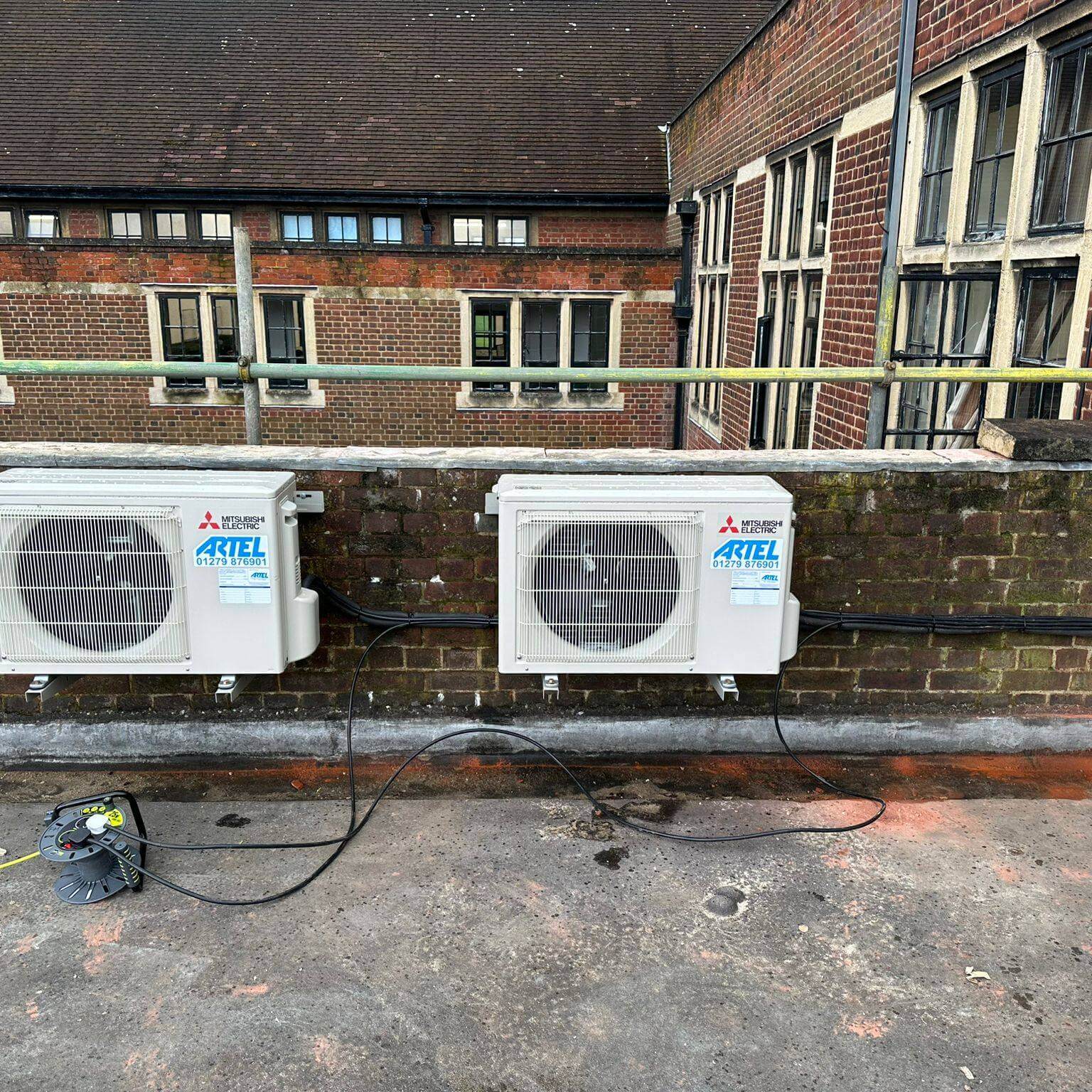
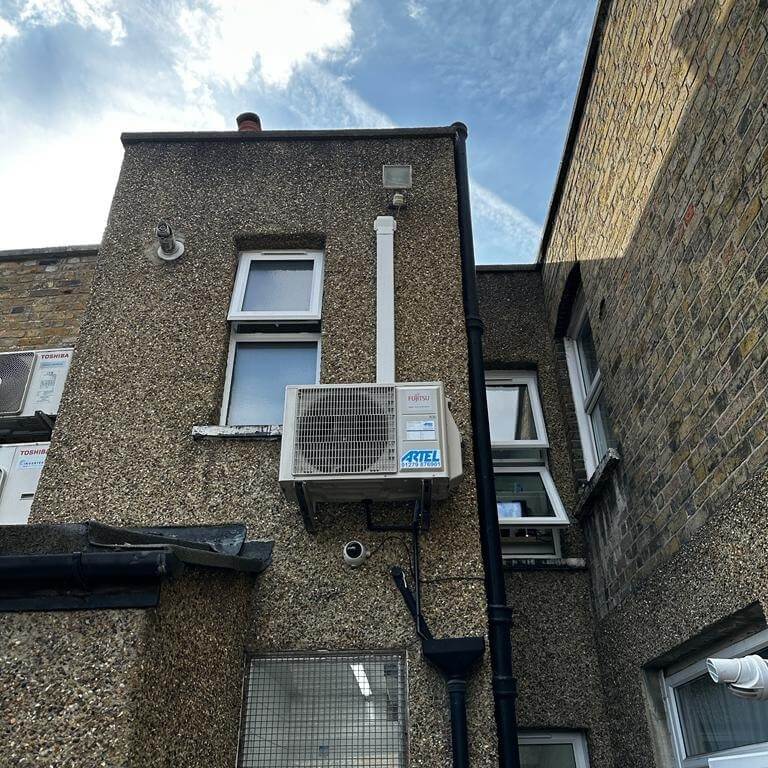
Packaged and split system air conditioners are two popular choices for cooling homes and businesses. Packaged units contain all components in a single outdoor unit, while split systems distribute components between an outdoor unit and one or more indoor units. Both options offer energy-efficient solutions for different cooling needs.
Radiant Heating and Heat Pumps
Radiant heating systems distribute heat through the floor or panels in walls or ceilings, providing a uniform and comfortable heat. Heat pumps, on the other hand, transfer heat from the outside air or ground into the building. Both systems offer energy-efficient alternatives to traditional heating methods.
Maximising Energy Efficiency in HVAC
Maximising energy efficiency in HVAC systems is crucial for reducing energy use, lowering bills, and lessening the environmental impact. By adopting energy-efficient practices, homeowners and businesses can enjoy comfortable indoor environments without excessive use of fossil fuels. Strategies include improving the flow of air, optimising the efficiency of heating and air conditioning units, and maintaining relative humidity at ideal levels to ensure comfort and efficiency.
Strategies for Reducing Heating and Air Conditioning Energy Use
One effective strategy to reduce energy use in heating and air conditioning involves enhancing the system’s efficiency. This can be achieved by ensuring that systems are properly sized and installed, implementing regular maintenance, and upgrading to energy-efficient models that heat the air more efficiently. Additionally, optimising the flow of air within buildings and using programmable thermostats can significantly cut down on the consumption of fossil fuels, contributing to a more sustainable environment.
The Role of Air Filtration and Cleaning in Efficient HVAC Systems
Clean and efficient air filtration systems are vital for the optimal operation of HVAC systems. Keeping the evaporator coils free from dirt and debris not only ensures the quality of indoor air but also enhances the system’s energy efficiency. Regular cleaning and maintenance of these components can prevent the unnecessary strain on the HVAC system, leading to better performance and lower energy costs.
Clean Air Delivery Rate and Advanced Filter Performance
The Clean Air Delivery Rate (CADR) is a crucial measure of an HVAC system’s effectiveness in filtering out airborne particles while maintaining efficient airflow. High-performance filters with superior CADR ratings can significantly improve indoor air quality. By trapping more pollutants, these advanced filters allow the HVAC system to operate more efficiently, reducing energy use and enhancing the overall comfort of indoor spaces.
The Significance of Proper HVAC Maintenance
Proper maintenance of HVAC units is essential for their longevity and efficiency. Regular checks and cleaning can prevent minor issues from turning into major problems. This includes routine inspections of the system’s components, ensuring that they heat and cool effectively. By committing to regular maintenance, homeowners and businesses can save on repair costs, reduce energy consumption, and extend the life of their HVAC systems.
Regular Checks and Balances: Ensuring System Longevity
Regularly scheduled maintenance is key to ensuring the longevity and efficiency of HVAC units. These checks involve examining the system to ensure it can heat and cool spaces effectively. Maintenance tasks, such as replacing filters, cleaning ducts, and checking for leaks, are crucial. These measures not only keep the system running efficiently but also help in identifying potential issues before they escalate, ensuring the unit’s longevity.
Professional vs DIY HVAC Repairs and Maintenance: What You Need to Know
While some HVAC maintenance tasks can be handled by homeowners, such as replacing filters, more complex repairs require a professional HVAC technician. These experts have the skills and tools to diagnose and fix issues accurately, ensuring the system operates at peak efficiency. DIY repairs can sometimes lead to further damage or inefficient operation, so it’s important to know when to call in a professional.
Navigating the HVAC Industry and Standards
The HVAC industry adheres to various international and regional regulations designed to ensure the safety, efficiency, and environmental sustainability of heating, ventilation, and air conditioning systems. These standards guide manufacturers, installers, and service providers in delivering high-quality, energy-efficient solutions that meet the needs of consumers and businesses alike.
International and Regional Regulations
International and regional regulations play a crucial role in shaping the design and performance of HVAC systems. These standards ensure that systems are safe, reliable, and energy-efficient, benefiting users and the environment.
United Kingdom’s HVAC Standards and Guidelines
The United Kingdom has established specific HVAC standards and guidelines to ensure systems meet high levels of energy efficiency and environmental protection. These regulations cover everything from installation and maintenance to performance requirements, helping to reduce carbon emissions and energy consumption across the country.
The Building Environmental Design Standard: Aiming for Sustainability
The Building Environmental Design Standard focuses on creating sustainable and energy-efficient buildings. This includes implementing HVAC systems that minimize energy use while maintaining comfort. The standard emphasizes the importance of sustainable design and operation practices in reducing the environmental impact of buildings.
HVAC in the Modern World
In today’s world, HVAC systems play a crucial role in creating comfortable, healthy indoor environments. Advances in technology and a growing emphasis on sustainability are driving innovations in the industry, making systems more efficient, environmentally friendly, and easier to control.
The Intersection of HVAC and Smart Home Technology
Smart home technology is revolutionizing the way HVAC systems operate, allowing for greater control over heating, ventilation, and air conditioning. Through smart thermostats and automated systems, homeowners can now easily adjust settings to optimize comfort and energy use, even remotely.
The Future of HVAC: Trends and Predictions
The future of HVAC is focused on sustainability, energy efficiency, and integration with smart home technology. Innovations such as mini-split systems, advanced filtration techniques, and renewable energy sources are set to transform how we heat and cool our spaces. These developments promise not only to enhance comfort but also to reduce the environmental impact of HVAC systems.
Common Queries and Expert Recommendations
When it comes to selecting and maintaining HVAC systems, common queries often revolve around choosing the right type of system, understanding the benefits of various technologies, and knowing how to maintain systems for optimal performance. Experts recommend focusing on energy-efficient models, considering the specific needs of indoor and outdoor spaces, and ensuring regular maintenance by qualified HVAC technicians to achieve the best heating and ventilation outcomes.
HVAC Systems FAQ: Addressing Your Concerns
Many homeowners and businesses often wonder about the efficiency of their HVAC systems and how to optimize them for better performance. Questions frequently arise about the proper size of air ducts needed to maintain an ideal airflow rate, ensuring that commercial buildings receive adequate ventilation and temperature control. Understanding how heat pump systems work to cool or heat spaces efficiently is also a common query. Additionally, the difference between packaged systems and systems that use a refrigerant liquid to transfer heat is another area of interest that professionals can clarify.
Professional Insights: How to Choose the Right HVAC System
Choosing the right HVAC system requires a deep understanding of several critical factors. Professionals recommend considering the specific needs of the space, such as the size and layout of commercial buildings, to determine the optimal airflow rate. It is also essential to decide whether a heat pump system or a traditional furnace and air conditioner setup would be more effective to cool or heat the premises. The choice between packaged systems and split systems hinges on the available space for installation and the system’s efficiency in utilizing refrigerant liquid for heat exchange processes.
The Impact of HVAC on Indoor Air Quality
Indoor air quality significantly benefits from a well-maintained HVAC system. By controlling excess humidity, HVAC systems prevent the growth of mold and mildew, which can harm health. Furthermore, the use of window units in smaller spaces can enhance air circulation and filtration, removing pollutants from indoor environments. This ensures that occupants breathe cleaner air, reducing the risk of respiratory issues and improving overall comfort levels.
Understanding Airborne Diseases and HVAC’s Role
Natural ventilation, achieved through the opening of doors and windows, plays a crucial role in diluting indoor airborne contaminants. However, mechanical systems designed for heating, ventilation, and air conditioning (HVAC) can significantly enhance this process. By continuously replacing indoor air with filtered and conditioned air from outside, HVAC systems reduce the concentration of airborne pathogens, thereby lowering the risk of disease transmission within enclosed spaces.
The Importance of Dehumidification and Humidification
Regulating indoor humidity levels is vital for maintaining a healthy and comfortable living environment. Air filters in HVAC systems play a dual role by removing particulates from the air and helping to manage humidity levels. Proper dehumidification ensures that excess moisture, which can lead to mold growth and worsen allergies, is kept at bay. Similarly, humidification during drier months prevents the air from becoming too dry, which can irritate the skin, eyes, and respiratory system, thereby promoting improved indoor air quality.
Towards a Sustainable Future with HVAC
The HVAC industry is pivotal in the global shift towards sustainability. Modern systems are designed to reduce energy consumption and greenhouse gas emissions, aligning with broader environmental goals. Innovations in technology and the integration of renewable energy sources into HVAC operations exemplify the sector’s commitment to energy conservation. As awareness grows, both consumers and manufacturers are prioritizing eco-friendly practices in heating, ventilation, and air conditioning solutions.
Embracing Renewable Energy Sources for HVAC
Renewable energy sources, such as solar power and geothermal energy, are increasingly being integrated into HVAC systems. These sustainable options not only reduce reliance on fossil fuels but also offer significant cost savings over time. Solar panels can power air conditioning units, while geothermal heat pumps utilize the earth’s stable temperature for heating and cooling with greater efficiency. This shift towards renewables is a crucial step in making HVAC systems more environmentally friendly and economically viable for the long term.
The Role of HVAC in Achieving Energy Conservation Goals
HVAC systems are at the forefront of the energy conservation movement. By adopting high-efficiency models, incorporating smart thermostats, and ensuring proper insulation and sealing of buildings, significant reductions in energy usage can be achieved. These practices not only align with global energy conservation goals but also result in lower utility bills for homeowners and businesses. The HVAC industry’s ongoing innovation and commitment to sustainability play a vital role in shaping a more energy-efficient future.
Conclusion: The Essential Guide to HVAC for Homeowners and Professionals
HVAC, which stands for heating, ventilation, and air conditioning, plays a crucial role in ensuring thermal comfort and acceptable indoor air quality. Understanding the basics of HVAC, from the importance of proper ventilation to the complexities of mechanical engineering, is essential for both homeowners and professionals. The V in HVAC, emphasizing ventilation, involves replacing air in any space to provide high-quality indoor air that involves removing odors, smoke, dust, airborne bacteria, carbon dioxide, and controlling temperature and oxygen replenishment.
Technological advancements have introduced various systems, including ductless systems, which avoid the complications of a network of ducts, and innovations that use refrigerant gas to transfer heat efficiently. Whether it’s through window air units for small spaces or comprehensive heating and AC systems fueled by heating oil, the goal remains consistent: to maintain a level of thermal comfort and manage excessive moisture. The fields of fluid mechanics and mechanical ventilation continue to evolve, offering new ways to achieve these goals while minimizing energy use and environmental impact.